Best Jungle Trekking and Hiking in Bali
Discover Bali beyond the beaches and busy tourist attractions through jungle trekking and hiking experiences in the island’s tropical forests, mountains, valleys, plantations, waterfalls, and rural landscapes.
Bali jungle trekking offers a different way to experience the island. Instead of simply visiting a destination, you walk through the landscape itself—following forest trails, crossing small streams, passing plantations and villages, discovering tropical plants, and reaching natural places that cannot always be accessed by road.
Whether you are looking for a gentle nature walk, a moderate jungle trek, or a more challenging mountain hike, Bali offers a wide variety of trails for different interests and fitness levels.
Bali Local Tour Guide is an organization of experienced local guides specialising in nature, trekking, hiking, and authentic Balinese experiences. While our guides can arrange experiences across Bali, we have particularly strong local knowledge of North Bali’s forests, mountains, waterfalls, lakes, plantations, and traditional villages.
When most people think of Trekking in Bali, they imagine climbing volcanoes like Mount Batur or Mount Agung. However, Bali is also home to one of Indonesia’s oldest and best-preserved tropical rainforests, where ancient trees, sacred temples, hidden lakes, and abundant wildlife create an unforgettable adventure.
Located in the heart of North Bali, the Tamblingan–Buyan Highlands offer some of the finest Bali jungle trekking experiences on the island. Whether you choose Tamblingan Jungle Trekking, Twin Lake Jungle Trekking, or the more adventurous Mount Lesung Jungle Trek, each journey reveals a different side of Bali that few visitors ever experience.
If you are searching for an authentic Bali Jungle trekking tour, a professional Bali trekking guide, or the best jungle trek in Bali, the North Bali Highlands should be at the top of your list.
Contact Us
Explore the Real Jungle of North Bali
Discover three different ways to experience the ancient rainforest, mountain landscapes, and sacred Lake Tamblingan area with an experienced local guide.
| 🌿 Ultimate Tamblingan Experience |
⛰️ Mt Lesung Jungle Trek & Balinese Lunch |
🛶 Private Twin lake Jungle Trek & Canoeing |
| Rainforest • Culture • Canoeing |
Mountain • Jungle • Local Food |
Private • Flexible • Personal |
| Explore the ancient rainforest surrounding Lake Tamblingan, walk through lush jungle trails, discover hidden temples and experience the peaceful atmosphere of one of North Bali’s most beautiful natural areas. |
Take your jungle adventure higher with a trek through the rainforest of Mount Lesung, one of North Bali’s quieter mountain destinations, followed by an authentic Balinese lunch experience. |
Enjoy a more personalized private jungle trekking experience around Lake Tamblingan, followed by a traditional canoe crossing on the lake. The experience can be adjusted to your preferred pace and interests. |
| Best for: Travelers who want a complete combination of jungle trekking, nature, culture and traditional canoeing. |
Best for: Active travelers who want a more challenging mountain jungle trek combined with local food and cultural experience. |
Best for: Couples, families and private groups looking for a flexible and personal jungle adventure without joining other travelers. |
| 🌳 Ancient rainforest🛕 Hidden temples & sacred landscape🛶 Traditional canoe on Lake Tamblingan🏔️ Mountain & lake scenery👣 Local trekking guide |
🌳 Dense mountain rainforest🥾 More adventurous trekking🏔️ Mount Lesung landscapes☕ Balinese coffee & local treats🍛 Authentic Balinese lunch👣 Experienced local guide |
🌿 Private jungle exploration🛶 Traditional canoeing📸 Flexible photo stops👣 Your own local guide⏱️ Flexible pace👫 Ideal for couples & private groups |
| Experience focus: Nature + Culture + Adventure |
Experience focus: Mountain + Jungle + Food |
Experience focus: Privacy + Flexibility + Nature |
| Perfect if you want to experience Lake Tamblingan from both land and water. |
Perfect if you want to go deeper into the North Bali rainforest and enjoy a local meal after your trek. |
Perfect if you want your Tamblingan experience to be organized around your own pace and preferences. |
| Explore the Ultimate Tamblingan Experience → |
Explore Mt Lesung Jungle Trek → |
Explore Private Twin Lake Trek & Canoeing → |
Why We Choose These Jungle Trekking Routes
For our Tamblingan Jungle Trekking, Twin Lake Jungle Trekking, and Mount Lesung Jungle Trekking, the route is an important part of the experience. Our local guides carefully choose the starting and finishing points to make the trek more enjoyable, varied, and natural.
Tamblingan & Twin Lake Jungle Trekking: A One-Way Route
For our Tamblingan Jungle Trekking and Twin Lake Jungle Trekking, the route starts at this starting point and finishes at a different finishing point.
We intentionally use different starting and finishing points because we don’t want guests to walk through the same jungle trail twice. Instead, the route continues through different sections of the rainforest, allowing you to experience changing scenery, vegetation, mountain landscapes, and views around the Twin Lakes.
For us, a jungle trek should feel like an exploration. By avoiding unnecessary backtracking, the experience becomes more interesting and less repetitive, while giving you a better opportunity to appreciate the natural environment of Tamblingan and the Twin Lakes.
Mount Lesung Jungle Trekking: Two Possible Directions
Mount Lesung Jungle Trekking can also be approached from two different directions. The trek can start from the western side of Mount Lesung, or it can be approached from the Lake Tamblingan side.
At the moment, we choose to start our Mount Lesung trek from the western side of the mountain. This allows us to create a more complete journey rather than simply making the mountain ascent the entire experience.
After completing the Mount Lesung trekking section, the adventure continues towards Lake Tamblingan, where guests can experience traditional canoeing on the lake. The journey then finishes at Pura Gubug, creating a natural progression from mountain → rainforest → lake → canoe → temple.
We believe this makes the experience more memorable because the adventure does not simply end when you finish the mountain trek. Instead, the final part of the journey slows down and connects you with the peaceful atmosphere of Lake Tamblingan and its cultural landscape.
More Than Just a Trek
These route choices are part of what makes our jungle trekking experiences different.
Whether you choose Tamblingan Jungle Trekking, Twin Lake Jungle Trekking, or Mount Lesung Jungle Trekking, our goal is not simply to take you from a starting point to a destination. We want the route itself to become part of the experience—with changing landscapes, natural surroundings, local culture, and enough variety to keep the journey interesting from beginning to end.
This is how we aim to create a more authentic Bali rainforest and mountain trekking experience in the Tamblingan and Twin Lakes area.
Which Jungle Trek Is Right for You?
Choose Ultimate Tamblingan Experience if you want the classic combination of ancient rainforest, sacred landscape and traditional canoeing.
Choose Mt Lesung Jungle Trek if you are looking for a more adventurous mountain trek and want to add an authentic Balinese lunch to your experience.
Choose Private Tamblingan Trek & Canoeing if you prefer a private and flexible experience where the pace and experience can be adapted to your group.
All three experiences take place around the Tamblingan–Buyan highlands, an area known for its rainforest, mountain landscape, lakes and strong cultural connection.
What Is Bali Jungle Trekking?
Bali jungle trekking is an active nature experience that takes travelers beyond the island’s main tourist routes and into its tropical landscapes.
Rather than following a standard sightseeing itinerary, jungle trekking allows you to experience Bali on foot — moving through forests, mountain paths, plantations, rural villages, and natural landscapes.
Depending on the route, a jungle trek can combine forest hiking with waterfalls, mountain views, plantations, rice fields, traditional villages, lakes, temples, and local cultural experiences.
This makes jungle trekking particularly appealing to travelers who want to experience a quieter and more natural side of Bali.
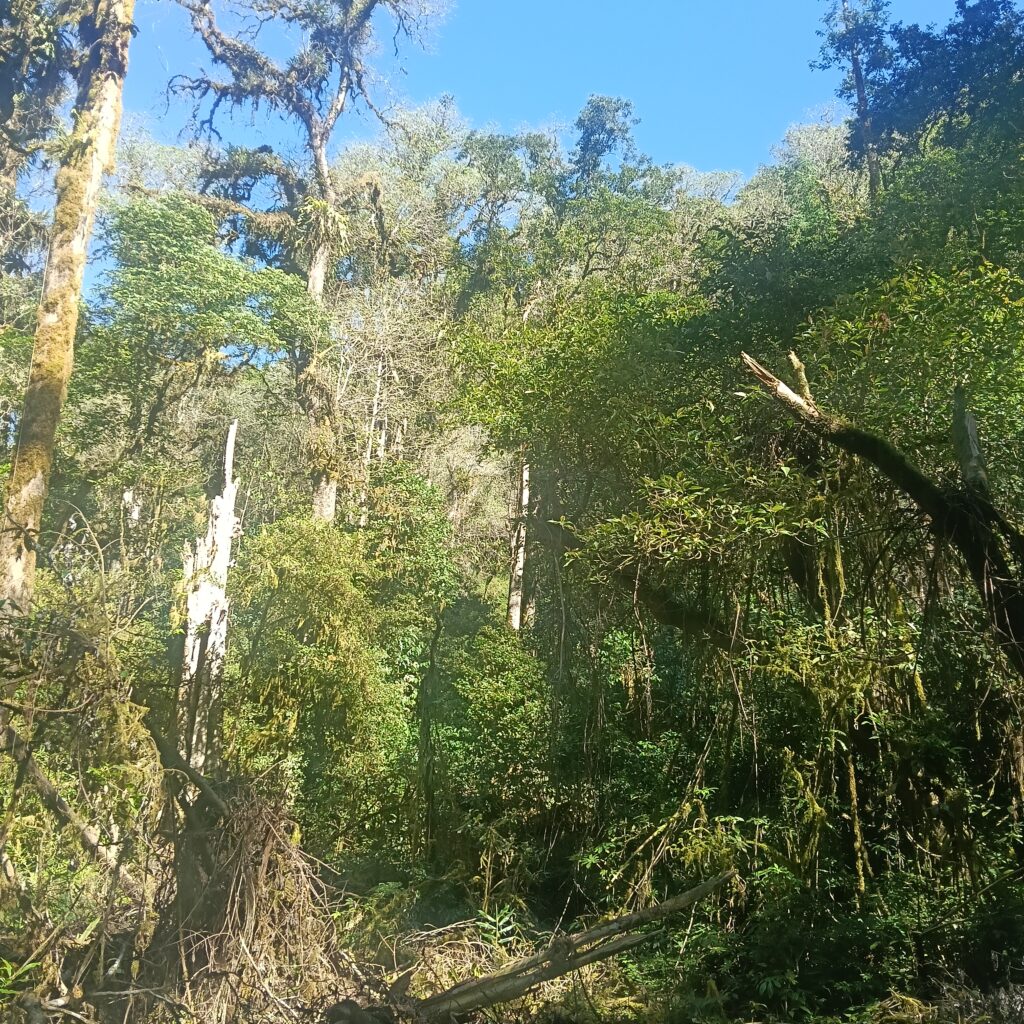
Rainforest Trekking & Hiking
Rainforest trekking takes you into dense, humid forest environments where the landscape is dominated by tropical vegetation, large trees, ferns, vines, and wildlife.
The atmosphere can change dramatically throughout the trek, especially in the early morning when mist and cool air move through the forest.
Mountain Jungle Trekking
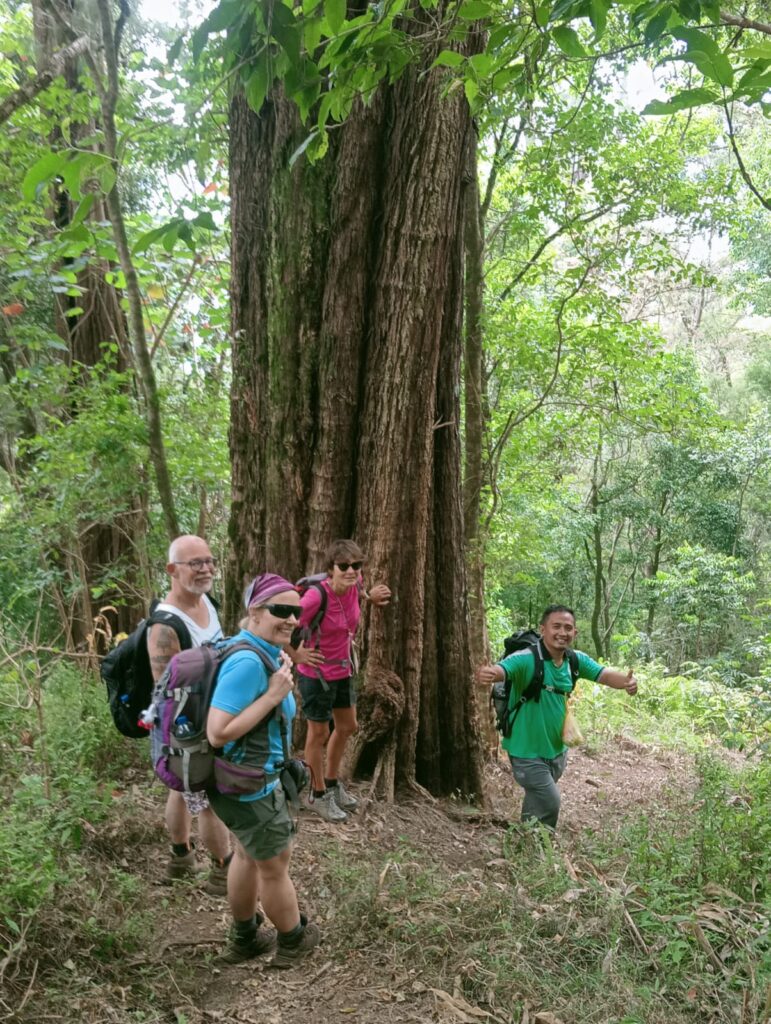
Mountain jungle trekking combines forest hiking with elevation gain.
As you climb higher, the environment often becomes cooler and the landscape changes. Depending on the route, trekkers may pass through plantations, dense forest, mountain ridges, and areas with panoramic views.
North and central Bali are particularly suitable for this type of experience because of the island’s mountainous terrain.
Waterfall Jungle Trekking
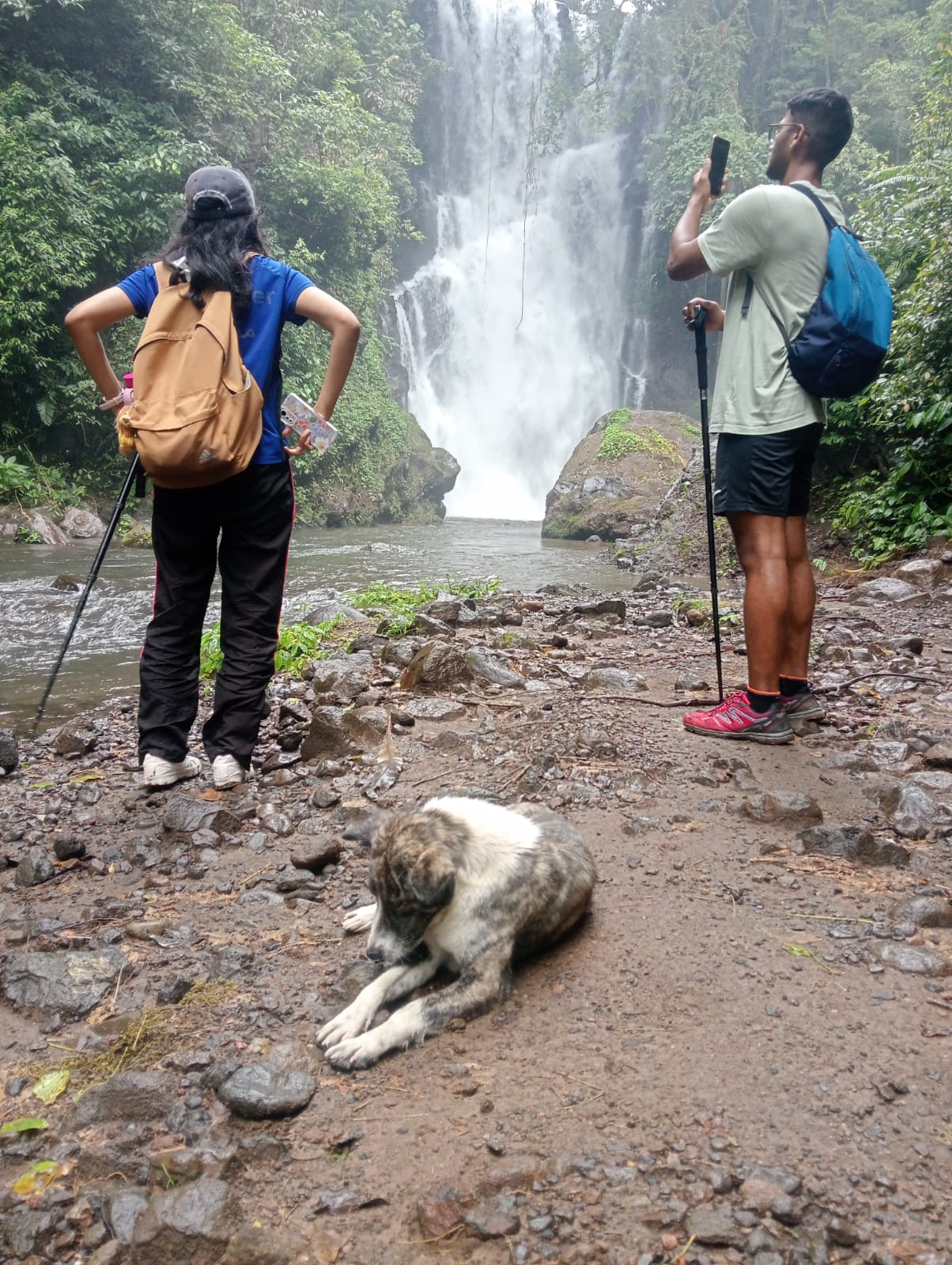
Waterfall trekking combines hiking with the discovery of Bali’s natural waterfalls.
Many waterfalls are located away from main roads and require walking through forest paths, plantations, or rural areas to reach them.
The journey can be just as rewarding as the waterfall itself, particularly when accompanied by a local guide who knows the terrain and surrounding landscape.
Lake & Forest Trekking
Some trekking routes combine forest trails with Bali’s highland lakes.
Areas around Lake Buyan, Lake Tamblingan, and Lake Beratan offer a combination of cool mountain climate, dense vegetation, agricultural landscapes, and beautiful water views.
These routes are particularly appealing for travelers looking for a quieter alternative to Bali’s more crowded natural attractions.
Sunrise Jungle Hiking
Sunrise jungle hiking combines the atmosphere of a forest trek with the reward of reaching a viewpoint before dawn.
The journey usually begins while it is still dark. As you climb through the forest, the landscape gradually becomes visible as the sun rises.
On clear mornings, depending on the trail and weather, you may see mountains, volcanic peaks, lakes, forests, plantations, and even the coastline.
The experience is about more than the sunrise itself. It is about walking through Bali’s natural landscape at a time when the island is still quiet.
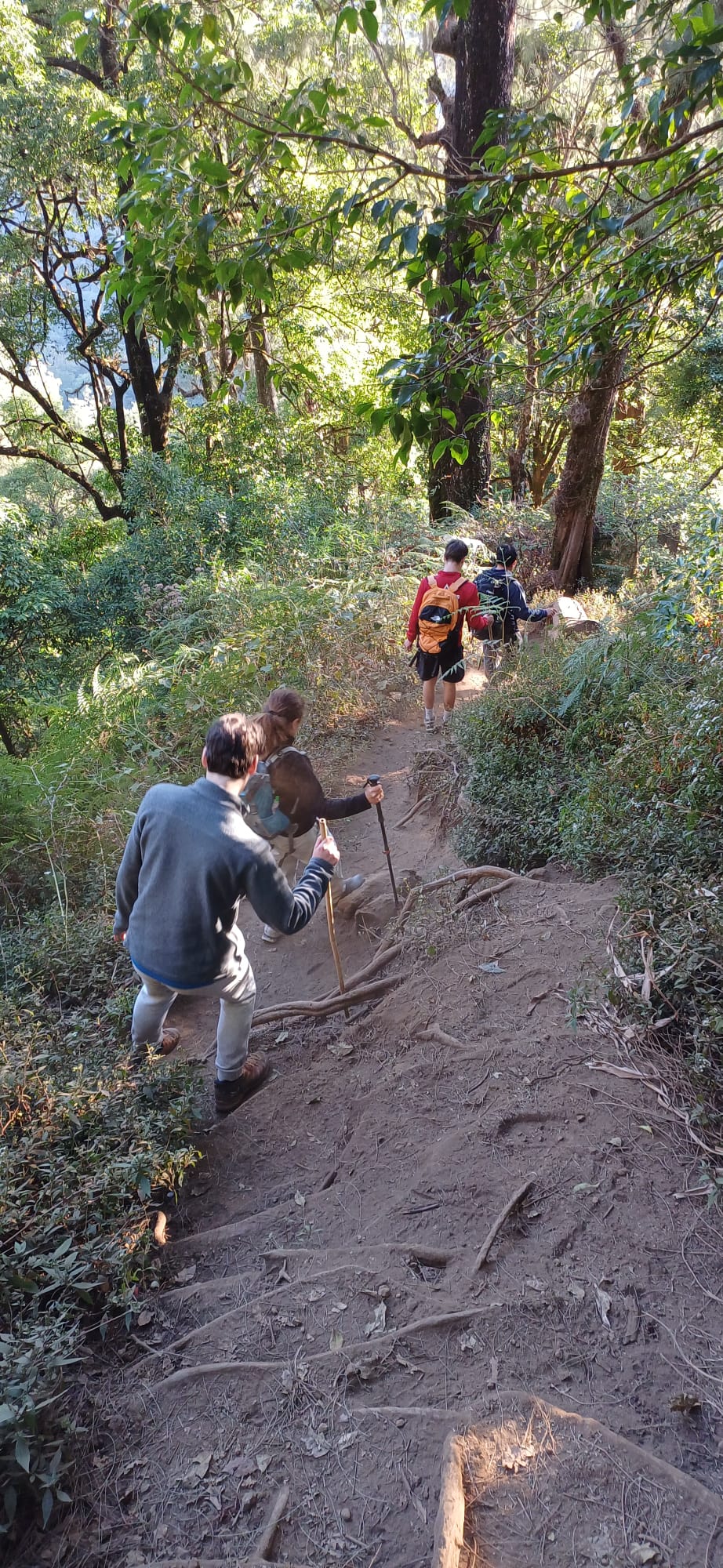
Why Go Jungle Trekking in Bali?
Bali is often associated with beaches, temples, rice terraces, and popular tourist attractions. But beyond these well-known places lies another side of the island — dense tropical forests, volcanic mountains, hidden waterfalls, plantations, traditional villages, and remote rural landscapes.
Jungle trekking is one of the best ways to experience this side of Bali. Instead of simply traveling from one attraction to another, you move through the landscape itself, experiencing how nature and local communities are connected.
Experience Bali’s Tropical Forests
Bali’s tropical forests are home to a rich variety of plants, trees, birds, insects, and other forms of wildlife.
Walking through the forest allows you to experience the environment at a much closer level. You can hear the sounds of nature, feel the cooler air beneath the canopy, and observe how vegetation changes with elevation.
For nature lovers, the forest is not just something to pass through — it is part of the experience.
Discover the Island Beyond Tourist Areas
Some of Bali’s most interesting landscapes are found away from the main tourist centers.
Jungle trekking takes you onto smaller paths and into areas where daily life continues at a slower pace. Depending on the route, you may encounter farmers, traditional villages, plantations, temples, and natural landscapes that are rarely seen from a tour bus.
It is an opportunity to experience a quieter and less commercial side of Bali.
Explore Mountains & Highland Landscapes
Bali is a volcanic island, and its mountainous interior creates some of its most dramatic scenery.
Trekking through the highlands can take you through cool mountain forests, ridges, valleys, volcanic landscapes, and elevated viewpoints.
The changing elevation also means the climate and vegetation can change during the journey, creating a sense of traveling through several different environments in one trek.
Walk Through Plantations & Rural Villages
Many trekking routes pass through agricultural areas where local communities grow coffee, cloves, fruits, vegetables, and other crops.
Walking through these landscapes gives you a better understanding of how agriculture shapes rural life in Bali.
With a local guide, you can learn how crops are cultivated, when they are harvested, and how farming traditions have been passed down through generations.
Discover Waterfalls & Natural Pools
Many of Bali’s waterfalls are surrounded by forests and can only be reached by walking.
A waterfall trek can combine hiking, nature exploration, and the chance to cool off in a natural pool where conditions and local guidance allow.
The journey through the forest is often just as rewarding as reaching the waterfall itself.
Learn About Local Plants & Nature
A local guide can turn a simple walk into an introduction to Bali’s natural environment.
You may learn about native plants, medicinal herbs, fruit trees, bamboo, spices, and other vegetation used by local communities.
This makes the trek more educational and helps visitors understand how closely people in rural Bali have traditionally depended on the surrounding landscape.
Connect with Balinese Culture
Nature and culture in Bali are deeply connected.
A jungle trail may pass a small temple, sacred spring, agricultural area, or traditional village. Some forests and mountains also have spiritual significance for local communities.
A knowledgeable local guide can explain the stories and traditions associated with these places while helping visitors understand how to behave respectfully.
The landscape becomes a way to understand the culture.
Enjoy a More Active Way to Explore Bali
Jungle trekking is also a physical experience.
Instead of spending the day traveling between attractions, you are walking, climbing, crossing natural terrain, and actively engaging with the environment.
Whether you choose a gentle village walk or a challenging mountain trek, the experience can be adapted to different fitness levels and interests.
A Different Way to See Bali
Jungle trekking offers something that conventional sightseeing cannot always provide.
You slow down. You walk through the landscape. You meet local people. You discover places that cannot be reached by car. You experience the changing sounds, temperatures, and scenery of the island.
Bali looks different when you explore it on foot.
What Can You Experience on a Bali Jungle Trek?
A Bali jungle trek is much more than a walk through the forest. Depending on the route, you can experience a combination of tropical ecosystems, agriculture, traditional villages, waterfalls, temples, mountains, and lakes — all within a single journey.
The landscape changes as you walk, and a local guide can help you understand the natural and cultural stories behind what you see.
Tropical Rainforest
Some trekking routes lead through dense tropical rainforest where the canopy creates a cool, shaded environment.
The atmosphere can be especially impressive in the early morning, when mist hangs between the trees and the forest comes alive with the sounds of birds and insects.
Rainforest trekking also offers a closer look at the different layers of Bali’s tropical ecosystem, from large canopy trees to smaller plants growing along the forest floor.
Native Plants & Trees
Bali’s forests contain a wide variety of tropical plants and trees.
During a trek, you may encounter large native trees, bamboo, palms, ferns, vines, orchids, and other vegetation depending on the location and elevation.
A local guide can point out plants that might otherwise look ordinary to visitors and explain their traditional uses or importance to the surrounding ecosystem.
Traditional knowledge about plants remains important in many Balinese communities.
Some plants and herbs have historically been used in traditional remedies, cooking, ceremonies, and everyday life.
Learning about these plants with a local guide provides insight into how communities have developed knowledge of the natural environment over generations.
Importantly, visitors should not pick or consume wild plants unless explicitly instructed by a qualified local expert.
Birds & Tropical Wildlife
The forest is also home to a variety of tropical wildlife.
Depending on the habitat and time of day, you may hear or see different species of birds, butterflies, insects, reptiles, and other forest animals.
Wildlife sightings are never guaranteed, which is part of the adventure. Early morning treks can be particularly rewarding because many animals are more active during the cooler hours.
The best approach is to walk quietly and observe without disturbing the animals.
Waterfalls & Rivers
Water is an important part of Bali’s natural landscape.
Many jungle trails follow streams and rivers or lead to waterfalls hidden within the forest. The sound of flowing water can accompany you for part of the journey before a waterfall suddenly appears through the vegetation.
Some routes also include natural pools, although swimming should only be done where conditions are considered safe and local guidance allows it.
Temples & Sacred Landscapes
Bali’s forests and mountains are often closely connected with spirituality.
A trekking route may pass a small temple, shrine, sacred spring, or landscape considered spiritually important by the local community.
These places should be treated with the same respect as larger temples. Visitors may need to follow specific rules regarding clothing, photography, access, or behavior.
A local guide can explain the cultural significance of these places and help you avoid unintentionally disturbing religious activities.
Mountain & Lake Views
As a trek climbs higher, the forest may open onto mountain ridges and viewpoints.
On clear mornings, depending on the trail and weather, you may see volcanic peaks, mountain ranges, highland valleys, plantations, and Bali’s mountain lakes.
Routes around the highlands can offer views toward lakes such as Tamblingan, Buyan, and Beratan, while other trails provide broader views across the surrounding mountains and countryside.
Every Trail Tells a Different Story
No two Bali jungle trekking experiences are exactly the same.
One route may focus on waterfalls and rainforest, another on coffee plantations and villages, while another combines mountain trails with lakes and sacred landscapes.
That variety is what makes jungle trekking such a rewarding way to explore Bali.
You don’t just walk through nature — you discover how nature, agriculture, culture, and community come together.
North Bali Jungle Trekking Experiences
North Bali is particularly well suited to jungle trekking because its mountain landscapes combine dense tropical forests, waterfalls, highland lakes, plantations, traditional villages, and rural communities.
Unlike a single standardized trekking destination, North Bali offers a variety of trails with different landscapes and levels of difficulty. Some routes focus on rainforest and waterfalls, while others combine nature with local agriculture, traditional villages, sacred landscapes, or mountain viewpoints.
Our local guides can recommend different trails depending on your interests, available time, fitness level, and weather conditions, helping you experience North Bali beyond the main tourist routes.
Tamblingan Jungle Trekking
Explore the tropical rainforest surrounding Lake Tamblingan and experience the unique combination of forest trails, highland nature, sacred landscapes, and local cultural knowledge.
The area is known for its dense vegetation, cool mountain climate, and tranquil atmosphere. Depending on the route, the experience can also include traditional canoeing on Lake Tamblingan, offering a different perspective of the surrounding forest and mountain landscape.
A local guide can introduce you to the plants, wildlife, stories, and cultural significance of the area while ensuring that the journey respects the sacred landscapes around the lake.
Explore our Tamblingan Jungle Trekking Experiences to discover the route in more detail.
Munduk is one of North Bali’s best-known mountain areas for nature trekking.
The landscape combines tropical forest, coffee and clove plantations, mountain streams, and waterfalls. Trails through Munduk allow visitors to experience the agricultural landscape as well as the natural environment.
A local guide can explain how coffee, cloves, fruits, and other crops are cultivated while leading you through forest paths toward waterfalls and scenic viewpoints.
This is an excellent option for travelers who want to combine jungle trekking, waterfalls, and plantation culture in one experience.
Sambangan, in the northern highlands, is known for its dramatic natural landscape and network of waterfalls.
Jungle trekking here can involve forest paths, streams, natural pools, and waterfalls surrounded by dense tropical vegetation.
The terrain can be more adventurous in certain sections, making Sambangan particularly suitable for travelers looking for a more active nature experience.
With a local guide, the trek can be adapted to the group’s ability and the prevailing weather and trail conditions.
Mount Lesung rises above the Tamblingan area and is closely connected to the surrounding highland forest and sacred landscape.
Trekking on Mount Lesung offers a more immersive mountain experience, with routes passing through dense forest and areas of spiritual significance.
Because the terrain can be steep and conditions can change quickly in the mountains, this type of trek is best undertaken with an experienced local guide familiar with the route.
The reward is the opportunity to experience one of North Bali’s quieter mountain environments away from the island’s busier hiking destinations.
Mount Sanghyang offers another opportunity to explore North Bali’s mountainous interior.
The route takes trekkers through forested terrain and highland landscapes, making it suitable for travelers who want a more remote and physically active experience.
As with other mountain routes in North Bali, visibility and trail conditions can vary considerably depending on weather.
On clear days, higher sections of the trail can provide expansive views across the surrounding mountain landscape.
For travelers interested in combining nature with local culture, Mayong Village offers a different type of trekking experience.
Rather than focusing solely on reaching a summit or waterfall, a village and jungle route can connect traditional rural life, agricultural land, plantations, forest paths, and local communities.
Walking with a local guide allows you to learn about farming, village traditions, local plants, and everyday life while exploring the surrounding landscape.
This is an ideal option for travelers who want a slower and more cultural approach to jungle trekking.
Other Local Forest Trails
North Bali has many smaller trails that do not necessarily appear on standard tourist itineraries.
These can include local paths through coffee and clove plantations, mountain forests, rice fields, rural villages, waterfalls, and traditional agricultural landscapes.
The advantage of exploring with a local guide is flexibility. Instead of choosing a trail simply because it is popular online, you can select a route based on what you actually want to experience.
Whether you are looking for a peaceful forest walk, a challenging mountain hike, a waterfall adventure, or a cultural journey through rural Bali, there is likely a trail suited to your interests.
Choose Your Bali Jungle Trekking Experience
| Experience |
Best For |
Difficulty |
| Forest Nature Walk |
Beginners & families |
Easy |
| Jungle Trekking |
Nature & adventure lovers |
Moderate |
| Waterfall Trekking |
Active travelers |
Moderate |
| Mountain Hiking |
Experienced hikers |
Challenging |
| Village & Jungle Trekking |
Culture & nature lovers |
Easy–Moderate |
| Sunrise Trekking |
Early risers & photographers |
Moderate–Challenging |
What Is It Like to Trek Through a Bali Jungle?
Imagine starting your walk beneath a canopy of tropical trees, with cool mountain air and the sounds of the forest around you.
As you continue along the trail, the landscape changes. You may pass coffee or clove plantations, cross small streams, walk beside rice fields, or discover a waterfall hidden within the forest.
With a local guide, the journey becomes more than physical exercise. You can learn about plants, farming, local traditions, sacred places, and the relationship between Balinese communities and their natural surroundings.
Why the Tamblingan Highlands Are Bali’s Best Jungle Trekking Destination
The Tamblingan Highlands are home to one of Bali’s last remaining primary rainforests. Unlike many forests that have been altered over time, this protected area still preserves its natural ecosystem.
Towering trees, dense tropical vegetation, crystal-clear lakes, hidden waterfalls, and centuries-old temples make this region one of the most diverse trekking destinations in Bali.
The cool mountain climate also provides comfortable hiking conditions throughout the year, making it ideal for visitors seeking a true rainforest adventure.
A jungle trek becomes much more meaningful when you explore with someone who knows the landscape, understands the local community, and has experience walking the trails.
In North Bali, many trekking routes are not simply marked tourist paths. They can pass through forests, plantations, villages, streams, sacred areas, and agricultural land. Having an experienced local guide helps you navigate these environments while gaining a deeper understanding of what you are seeing.
Our approach is not simply to take you from Point A to Point B. We aim to make the journey itself part of the experience.
Local Trail Knowledge
Local guides know the landscape from experience.
They understand different routes, shortcuts, trail conditions, seasonal changes, and alternative paths. This can be particularly valuable in mountain and jungle environments where conditions can change after heavy rain or other weather events.
Rather than following the same route for every guest, we can recommend trails that suit your interests, time, and ability.
Nature & Plant Knowledge
A forest can look very different when you know what you are looking at.
Our local guides can introduce you to the plants, trees, fruits, bamboo, spices, coffee, cloves, and other vegetation found along the route.
Where appropriate, they can also explain traditional uses and local knowledge surrounding plants — turning a simple hike into a more educational experience.
Understanding of Local Culture
North Bali’s natural landscape is closely connected to its culture.
A trail may pass through a traditional village, agricultural land, temple, sacred spring, or forest considered important by the local community.
Our guides can explain the stories, customs, and cultural significance behind these places and help visitors understand how to behave respectfully when entering culturally or spiritually significant areas.
Flexible Trekking Routes
Not every traveler wants the same experience.
Some guests want a peaceful forest walk. Others are looking for waterfalls, plantations, mountain views, traditional villages, or a more challenging hike.
We can help match the route to your interests and, where conditions allow, adjust the experience along the way.
The goal is not to force every traveler onto the same trail.
Pace Adapted to Your Group
Trekking should be enjoyable, not a race.
Our guides can adapt the pace to the group, allowing time for rest, photography, enjoying the scenery, learning about plants, or talking with local communities.
Whether you are an experienced hiker or simply enjoy active travel, the trek can be approached at a comfortable pace.
Safety & Weather Awareness
Mountain and jungle environments require awareness.
Weather conditions in North Bali can change quickly, particularly in higher elevations. Trails may become slippery after rain, streams can rise, and visibility can change.
Experienced local guides understand these conditions and can assess the trail, adjust the route when necessary, and advise guests when conditions are unsuitable for certain activities.
Safety always comes before reaching a particular viewpoint or completing a planned route.
A local guide should be more than someone who simply shows you the way.
They are a connection between the traveler and the landscape — helping you understand the forest, the mountains, the farms, the villages, and the people who call North Bali home.
With an experienced local guide, you don’t just walk through North Bali.
You learn how to see it.
Combine Jungle Trekking with Other Bali Experiences
One of the advantages of exploring North Bali with a local guide is that you do not have to experience the jungle in isolation.
Because the region combines forests, waterfalls, mountains, lakes, plantations, villages, and cultural sites, a jungle trek can easily be combined with other experiences to create a more complete day of exploration.
Jungle Trekking + Waterfalls
Combine a forest trek with a visit to one or more of North Bali’s waterfalls.
Depending on the route, the journey may take you through tropical forest, plantations, streams, and rural landscapes before reaching a waterfall hidden within the jungle.
For travelers who enjoy both hiking and nature, this combination offers the best of both worlds.
→ Explore Bali Waterfall Trekking
Jungle Trekking + Sunrise
Start your trek before dawn and walk through the forest while the island is still quiet.
As you gain elevation, the first light begins to appear through the trees before opening into a mountain or valley viewpoint.
On clear mornings, depending on the trail and weather, you may see volcanic peaks, mountain ranges, lakes, forests, and the northern coastline.
This is an excellent option for travelers who want an active start to the day and a more immersive alternative to simply driving to a viewpoint.
→ Explore North Bali Sunrise Trekking
Jungle Trekking + Village Experience
Combine a nature trek with a visit to a traditional North Balinese village.
The route can connect forest paths with agricultural land, plantations, family compounds, traditional architecture, and community spaces.
With permission and appropriate guidance, visitors can learn about everyday village life, local traditions, farming, crafts, and the stories that have shaped the community.
→ Discover North Bali Culture & Village Experiences
Jungle Trekking + Coffee Plantation
North Bali’s mountain landscapes are ideal for combining trekking with coffee culture.
Walk through forest and plantation trails before visiting a local coffee-growing area to learn how coffee is cultivated, harvested, processed, and prepared.
Depending on the experience, you may also have the opportunity to meet local farmers and taste coffee grown in the surrounding highlands.
It is a natural combination of active travel, agriculture, and local food culture.
Jungle Trekking + Traditional Canoeing
For a completely different experience, combine jungle trekking around Lake Tamblingan with traditional canoeing.
After exploring the surrounding rainforest on foot, continue onto the lake in a traditional canoe and experience the landscape from the water.
The combination allows you to see the relationship between the lake, forest, mountains, and sacred landscape from two different perspectives.
→ Explore Tamblingan Jungle & Traditional Canoeing
Jungle Trekking + Camping
For travelers who want to spend more time in nature, jungle trekking can also be combined with a camping experience.
Instead of returning to the coast after a day of hiking, spend the night in a mountain or natural setting and experience the landscape after sunset and again at sunrise.
Depending on the location and local regulations, camping experiences can include forest walks, stargazing, outdoor meals, and an early-morning trek.
→ Discover Bali Camping Experiences
Create Your Own North Bali Adventure
The beauty of North Bali is that these experiences do not have to exist separately.
A single journey can combine jungle trekking, waterfalls, sunrise, coffee plantations, traditional villages, lakes, canoeing, and camping — depending on your interests, fitness level, available time, and the conditions on the day.
With a local guide, the experience can be designed around what you actually want to discover.
Don’t just visit North Bali. Combine its landscapes, culture, and adventures into one unforgettable journey.
What to Bring for Jungle Trekking in Bali
Jungle trekking in Bali does not require a lot of equipment, but bringing the right essentials can make the experience much more comfortable and enjoyable.
Because tropical weather can change quickly — particularly in Bali’s mountain areas — it is best to be prepared for heat, rain, slippery trails, and insects.
Comfortable Hiking Shoes
Good footwear is one of the most important things to bring.
Choose comfortable hiking shoes or trail shoes with good grip, especially if your route includes steep sections, muddy paths, rocks, streams, or waterfalls.
Avoid smooth-soled shoes or casual sandals on more challenging jungle trails.
Drinking Water
Bring enough drinking water for the duration of your trek.
Tropical conditions can cause you to lose fluids quickly, even when the mountain air feels cool. A reusable water bottle or hydration pack is practical for longer walks.
Your guide can advise you on the appropriate amount depending on the route, duration, and weather.
Light Rain Jacket
A lightweight rain jacket is highly recommended, particularly for trekking in North Bali’s mountain and forest areas.
Rain can arrive unexpectedly, and a compact waterproof layer is easy to carry in a small backpack.
It is especially useful during the wetter months or on higher-elevation trails.
Comfortable Clothing
Wear lightweight, breathable clothing that allows you to move easily.
Longer trousers or trekking pants can be useful on forest trails because they provide additional protection from vegetation and insects.
Avoid wearing heavy clothing that becomes uncomfortable in Bali’s humid conditions.
Insect Repellent
Tropical forests are naturally home to mosquitoes and other insects.
A small bottle of insect repellent can make your trek considerably more comfortable, especially when walking through dense vegetation or stopping near streams and waterfalls.
Small Backpack
A small daypack is usually enough for a typical jungle trek.
Use it to carry:
- Drinking water
- Rain jacket
- Insect repellent
- Phone or camera
- Personal medication
- Small snacks
- Basic personal essentials
Keep your backpack light. You want to enjoy the trail rather than carry unnecessary weight.
Camera
Bring a camera or smartphone if you want to capture the experience.
North Bali offers plenty of photographic opportunities — from tropical forests and waterfalls to plantations, mountain views, villages, and sunrise landscapes.
Just remember to put the camera away when passing through sacred places or religious activities if photography is not appropriate.
A Simple Packing List
For most Bali jungle trekking experiences, you can keep things simple:
Hiking shoes + water + rain jacket + comfortable clothing + insect repellent + small backpack + camera.
Your exact packing list will depend on the route, duration, elevation, weather, and activities included.
For longer or more challenging treks, your local guide can provide specific recommendations before departure.
Pack light, prepare well, and leave enough space in your backpack for the experience itself.
Frequently Asked Questions About Bali Jungle Trekking
What is the best jungle trekking in Bali?
There is no single best jungle trek for everyone. The right route depends on what you want to experience.
For rainforest and lake landscapes, Tamblingan is an excellent choice. For waterfalls, areas such as Munduk and Sambangan are popular. For a more demanding mountain experience, routes around Mount Lesung, Mount Sanghyang, or other highland areas may be suitable.
The best trek is the one that matches your fitness level, interests, available time, and preferred landscape.
Where can I go jungle trekking in Bali?
Bali offers jungle trekking in several mountain and highland areas, particularly in the north and central parts of the island.
Popular areas include Tamblingan, Munduk, Sambangan, Mount Lesung, Mount Sanghyang, Mayong, and other rural forest areas of North Bali.
Routes vary from forest walks and waterfall trails to mountain hikes and village trekking experiences.
Is jungle trekking in Bali difficult?
The difficulty depends entirely on the route.
Some jungle walks are relatively easy and suitable for travelers with basic fitness, while mountain and waterfall routes can involve steep climbs, uneven terrain, slippery sections, and longer walking distances.
Before starting, ask your guide about the distance, elevation gain, terrain, estimated duration, and current trail conditions.
Is Bali jungle trekking suitable for beginners?
Yes. Many Bali jungle trekking experiences are suitable for beginners, provided you choose an appropriate route.
A local guide can recommend a trail based on your fitness level and experience. Beginners may prefer shorter forest walks, plantation trails, village trekking, or routes with moderate elevation.
You do not need to be an experienced hiker to enjoy the jungle.
Do I need a local guide for jungle trekking in Bali?
A guide is not necessarily required for every easy walking route, but a knowledgeable local guide is strongly recommended for unfamiliar, remote, mountainous, or culturally sensitive trails.
Local guides can help with navigation, changing weather conditions, trail hazards, local plants, cultural sites, and interactions with communities.
They can also adapt the route when conditions change, helping make the experience both safer and more meaningful.
What should I wear for jungle trekking in Bali?
Wear comfortable, breathable clothing and suitable hiking or trail shoes with good grip.
For forest and mountain routes, lightweight long trousers can provide additional protection from vegetation and insects. Bring a light rain jacket because tropical weather can change quickly.
For a longer trek, also bring drinking water, insect repellent, and a small backpack.
Can I combine jungle trekking with waterfalls?
Yes. This is one of the most popular combinations in North Bali.
Areas such as Munduk and Sambangan offer routes where forest trekking can be combined with waterfalls, streams, and natural pools.
Combining the two allows you to experience the journey through the jungle rather than simply driving directly to a waterfall.
Can I go jungle trekking in North Bali?
Absolutely. North Bali is particularly well suited to jungle trekking because of its combination of tropical forests, mountains, highland lakes, plantations, waterfalls, and traditional villages.
Tamblingan, Munduk, Sambangan, Mount Lesung, Mount Sanghyang, and Mayong are among the areas where different types of trekking experiences can be arranged.
North Bali is particularly appealing if you want a quieter alternative to some of Bali’s busier tourist areas.
What is the best time for jungle trekking in Bali?
The best time depends on the type of trek and the weather on the day.
Generally, early morning is an excellent time for trekking because temperatures are cooler and the trails are often more comfortable. It is also the best option if you want to combine trekking with sunrise.
Bali’s mountain weather can change quickly, however, and rain can make forest trails muddy or slippery. Always check the conditions before departure and follow your guide’s advice.
Can I book a private Bali jungle trekking tour?
Yes. A private trek is a good option if you want a more personalized experience.
A private local guide can adjust the route, duration, pace, difficulty, and activities according to your group.
You can also combine jungle trekking with experiences such as waterfalls, sunrise, coffee plantations, traditional villages, or canoeing at Lake Tamblingan.
For travelers who prefer flexibility and a more personal experience, a private North Bali jungle trekking tour can be an excellent way to explore the island beyond the main tourist routes.
Which Bali Jungle Trek Is Right for You?
If you are unsure which route to choose, start with what you want to experience:
- 🌿 Rainforest & lake → Tamblingan
- 💦 Jungle & waterfalls → Munduk or Sambangan
- ⛰️ Mountain trekking → Mount Lesung or Mount Sanghyang
- ☕ Plantations & local culture → Mayong or Munduk
- 🌅 Sunrise & mountain views → North Bali sunrise trekking
- 🛶 Jungle + traditional canoeing → Tamblingan
- 👣 Private & flexible experience → Custom jungle trekking with a local guide
Not sure which trek is right for you? Tell us your fitness level, preferred experience, and how much time you have — and we can recommend a route in North Bali that fits your trip.
Among all Bali jungle trekking experiences, Tamblingan Jungle Trekking is perhaps the most iconic.
The trail leads visitors deep into Bali’s ancient rainforest, where enormous trees covered in moss create an atmosphere that feels almost untouched by time.
Along the journey, trekkers discover hidden temples that have stood quietly beside Lake Tamblingan for centuries. These sacred sites remind visitors that the forest is not only ecologically important but also deeply respected in Balinese Hindu culture.
One of the highlights of the experience is crossing the peaceful lake in a traditional wooden canoe, a practice that local communities have used for generations.
Tamblingan Jungle Trekking perfectly combines adventure, culture, spirituality, and nature into one unforgettable experience.
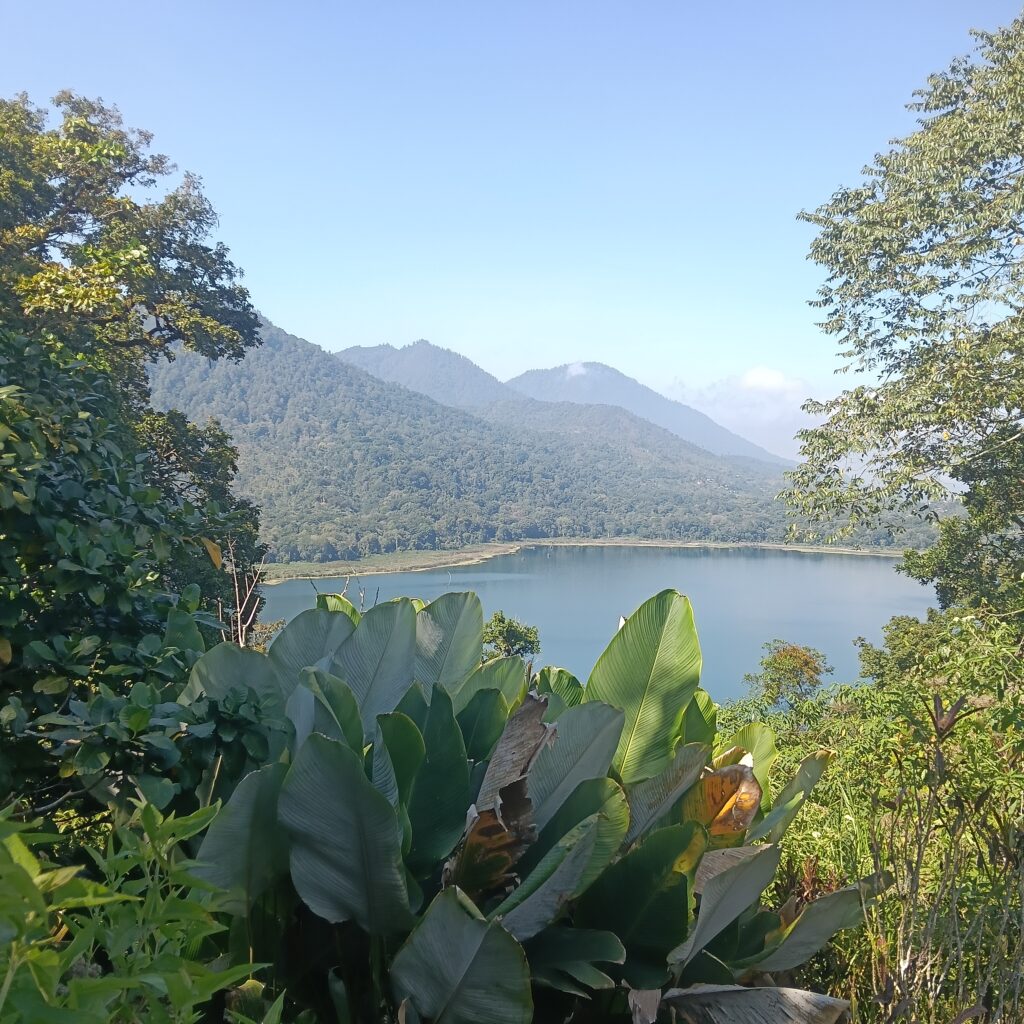
For visitors wanting to explore more of Bali’s highland forests, Twin Lake Jungle Trekking offers a spectacular journey connecting Lake Buyan and Lake Tamblingan.
The route passes through rainforest, coffee plantations, mountain viewpoints, and traditional villages while offering panoramic views of Bali’s famous Twin Lakes.
This trek is ideal for travelers who enjoy longer walks through varied landscapes.
Along the way, local guides explain the unique ecosystem of the highlands, introduce native plants and wildlife, and share stories about the communities that have lived beside these lakes for centuries.
The combination of lakes, forests, and mountain scenery makes this one of the most scenic Bali hiking tours available.
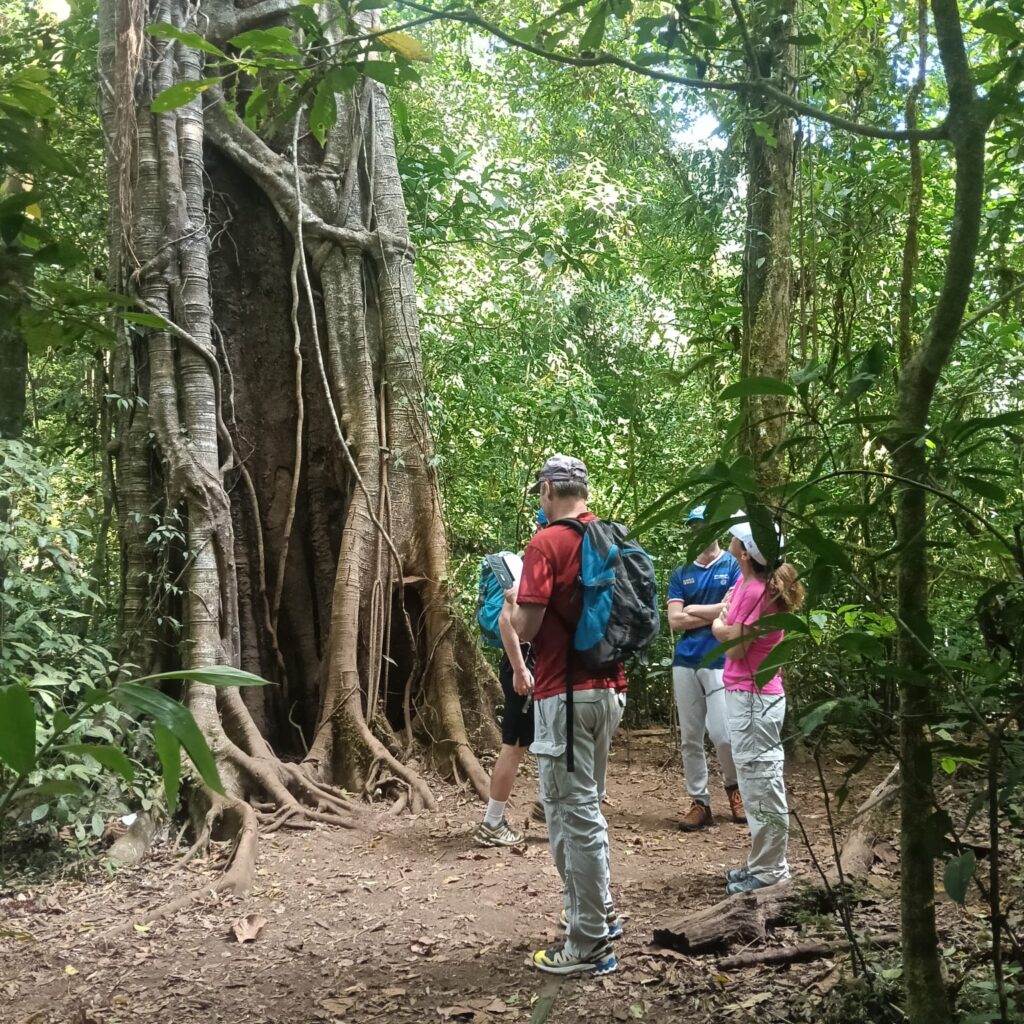
For adventurous hikers seeking a greater challenge, Mount Lesung Jungle Trek offers one of Bali’s most rewarding jungle adventures.
Unlike the more crowded volcanic hikes, Mount Lesung remains peaceful and largely undiscovered.
The trail begins inside the rainforest, gradually climbing through dense jungle before reaching the summit at approximately 1,865 meters above sea level.
As the forest opens near the top, breathtaking panoramic views appear, overlooking Lake Tamblingan, Lake Buyan, Mount Batukaru, Mount Agung, and the surrounding mountains of North Bali.
Watching the sunrise from Mount Lesung is an unforgettable experience, combining volcanic landscapes with the beauty of Bali’s ancient rainforest.
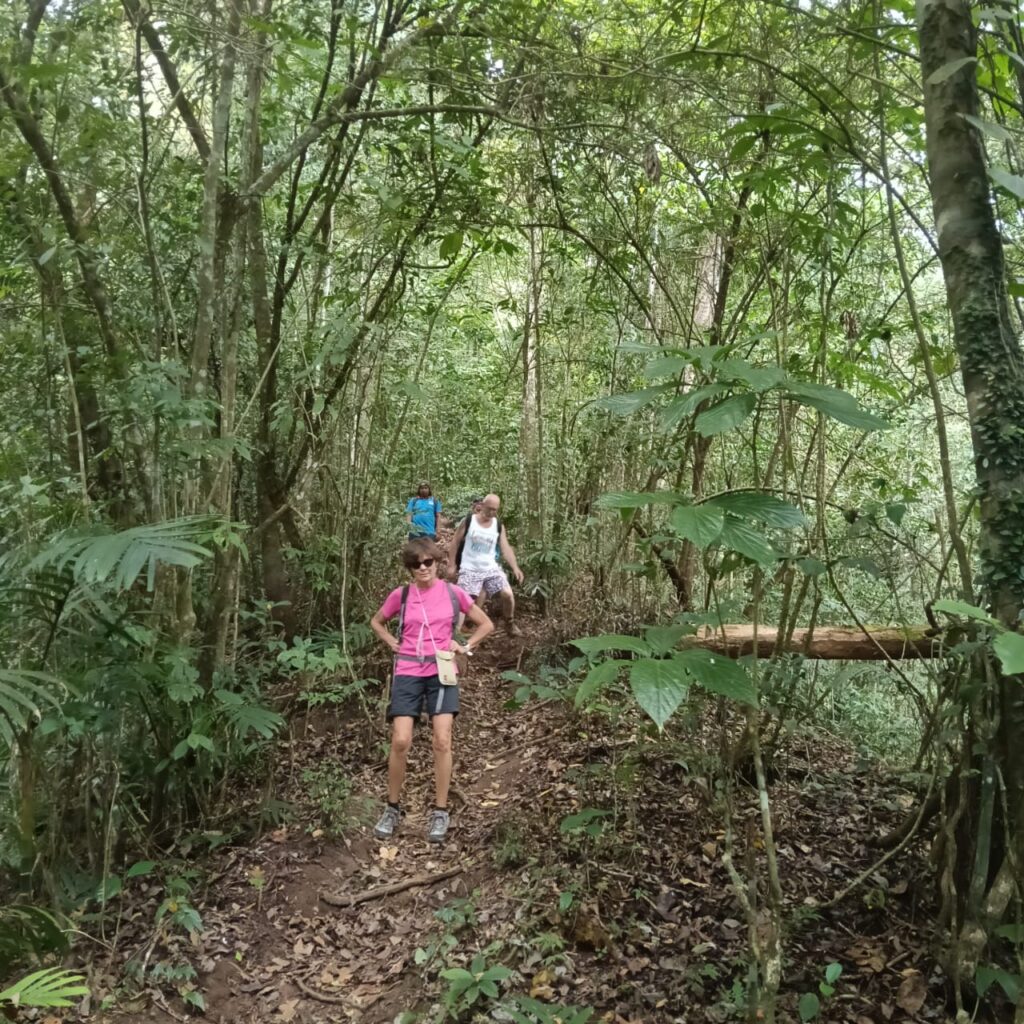
More Than Just Hiking
The Tamblingan Highlands offer far more than physical adventure.
Every trail tells a story about the relationship between local communities and the surrounding forest.
For generations, nearby villages have depended on these forests for clean water, agriculture, medicinal plants, and spiritual ceremonies. Their traditional respect for nature has helped preserve this rainforest long before conservation became a global concern.
Walking these trails allows visitors to understand why Bali’s forests remain sacred to local people.
Wildlife and Tropical Rainforest
The rainforest surrounding Tamblingan is one of Bali’s richest ecosystems.
During your trek, you may encounter:
- Tropical birds
- Long-tailed macaques
- Butterflies
- Giant tree ferns
- Wild orchids
- Ancient banyan trees
- Bamboo forests
- Native medicinal plants
- Rare mountain flora
Each season brings different colors, flowers, and wildlife activity, making every visit unique.
Why Trek with a Bali Local Tour Guide?
Exploring the rainforest with a Bali local tour guide offers much more than navigation.
Local guides were born and raised in the surrounding villages and have spent years exploring these forests. They know hidden trails, sacred temples, native wildlife, traditional medicinal plants, and local legends that cannot be found in travel books.
They also help visitors understand Balinese culture, environmental conservation, and the spiritual significance of the Tamblingan Highlands.
Instead of simply completing a hike, you experience the forest through the eyes of the people who call it home.
Which Jungle Trek Is Right for You?
Perfect for visitors who want to combine rainforest exploration, sacred temples, canoeing, and cultural experiences.
Ideal for hikers looking for varied landscapes, panoramic viewpoints, coffee plantations, and a full-day nature adventure.
Best for experienced hikers seeking a challenging climb, spectacular sunrise, and breathtaking mountain scenery.
Each route offers a unique perspective on Bali’s ancient rainforest, making every adventure unforgettable.
The forests of Tamblingan are among the last places where travelers can experience Bali as it has existed for centuries.
Far from crowded tourist attractions, these ancient rainforests preserve remarkable biodiversity, sacred temples, peaceful lakes, and traditions that continue to shape local life.
Whether you choose Tamblingan Jungle Trekking, Twin Lake Jungle Trekking, or Mount Lesung Jungle Trek, you will discover why the Tamblingan Highlands are considered the ultimate destination for Bali jungle trekking.
With an experienced Bali local tour guide, every trail becomes more than a hike—it becomes a journey into the natural, cultural, and spiritual heart of North Bali.
Explore More with Our Complete North Bali Trekking Guide
If you are still deciding which trekking experience is right for you, we invite you to explore our comprehensive North Bali Trekking Guide. This guide brings together the best trekking adventures across North Bali, from hidden waterfall trails and lush jungle walks to mountain hikes and authentic village experiences.
As local guides who have explored these routes for many years, we have carefully selected the most rewarding treks for every type of traveler. Whether you are seeking a challenging adventure, a family-friendly nature walk, or a cultural trekking experience, our guide will help you find the perfect journey.
Discover detailed information about trekking difficulty, what to prepare, the best time to visit, and expert recommendations from our local team. Start planning your next adventure with our North Bali Trekking Guide and experience the authentic beauty of Bali beyond the usual tourist destinations.
👉 Read our complete North Bali Trekking Guide to find the perfect trekking adventure for your Bali holiday.