Long Before Trekking Became Popular in Bali, We Were Already Exploring
Today, trekking is one of the ways travelers discover Bali.
People come to the island looking for jungle trails, hidden waterfalls, mountain adventures, sunrise hikes, and experiences beyond the usual tourist attractions.
But almost two decades ago, things were very different.
In North Bali, trekking was not yet a tourism trend.
Many local people were not thinking about creating trekking routes for visitors. There were no popular trekking apps showing every trail. There were no social media posts showing hidden waterfalls. And many of the forests and mountain paths around our communities were simply part of the landscape of everyday life.
But some of us were curious.
We wanted to know:
What is actually hidden behind these beautiful, dense forests?
So we started exploring.
Not because we were following a tourism trend.
Not because we were trying to create a tour product.
We explored because we loved nature and wanted to discover what was around us.
🌿 Exploring North Bali Nearly 20 Years Ago
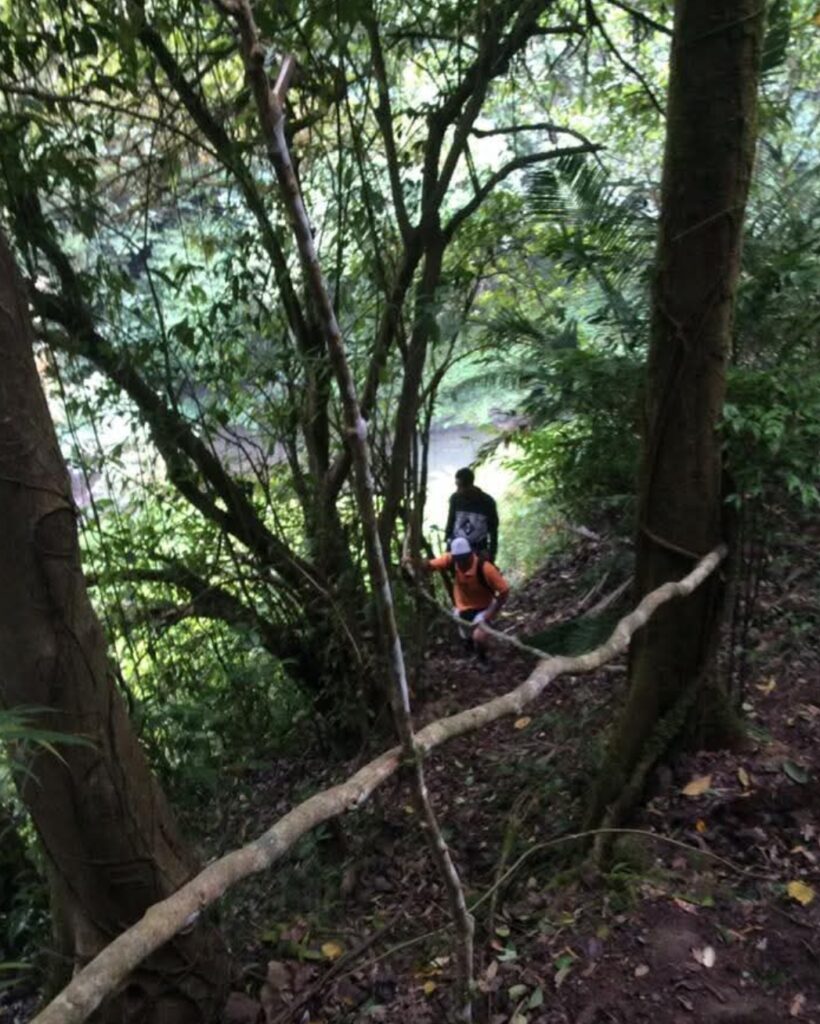
Around 18 years ago, together with friends and several members of our outdoor and nature-loving community, we began exploring the forests and mountains around North Bali.
At that time, many of the routes we walked were not established trekking experiences.
They were local paths, forest trails, farming routes, old tracks, and sections of terrain that had to be explored step by step.
We walked into the forest simply to see where the trail would lead.
Sometimes we found nothing.
Sometimes we discovered beautiful landscapes.
And sometimes we found something much more exciting:
waterfalls hidden deep inside the forest.
Those early explorations became the beginning of something that would later become part of our work as local guides.
🥾 Finding Routes, Not Just Destinations
What we discovered during those years was not simply a list of waterfalls.
We discovered connections between places.
A waterfall could be reached through one trail.
Another waterfall might be accessible from a different direction.
A forest path could connect two areas.
A farming trail could become part of a longer jungle route.
Slowly, we began to understand how these landscapes connected.
This is one of the reasons our approach to trekking is different today.
We don’t only think about:
“Where is the waterfall?”
We also think:
“How can we experience the forest, the trail, the waterfall, and the surrounding landscape as one journey?”
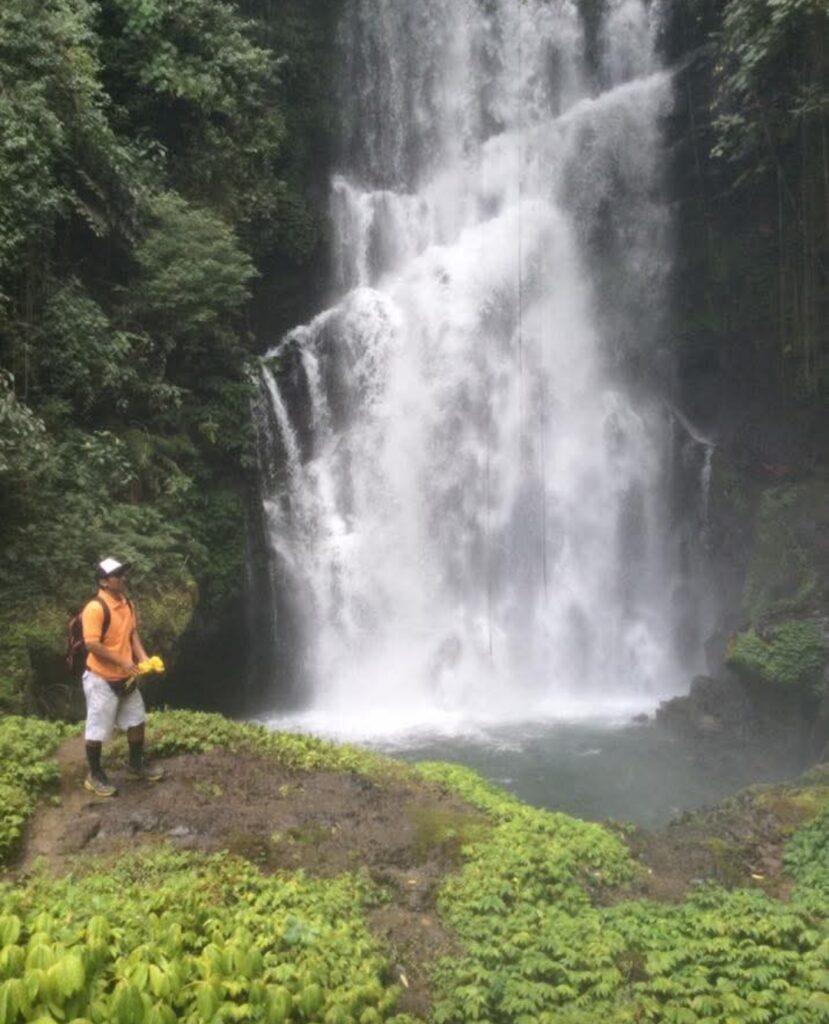
💦 The Cemara Waterfalls & Banyumala Combination
One example is the route connecting Cemara Waterfalls and Banyumala Waterfalls.
During our early explorations, we discovered that these landscapes could be experienced as part of a broader jungle and waterfall journey.
Today, Banyumala is one of the better-known waterfalls in North Bali.
But the experience we wanted to create was never simply:
Drive → Photograph Waterfall → Drive Back.
We wanted travelers to experience the forest journey itself.
Walking through the jungle.
Following the trail.
Discovering the landscape.
Reaching Cemara Waterfalls.
Continuing through the natural environment.
And eventually experiencing Banyumala Waterfalls.
The combination creates something much more complete:
Jungle + Trekking + Waterfalls + Nature.
This is the kind of experience that comes from understanding how the landscape connects rather than simply knowing where individual attractions are located.
🌴 Exploring Beyond the Famous Waterfalls
Our early explorations also took us toward waterfalls that were not widely known among visitors at the time.
Today, travelers may recognize names such as Melanting Waterfalls and Labuan Kebo Waterfalls.
But the tourism landscape of North Bali was very different back then.
Visitors generally knew only a few names.
For example, Red Coral Waterfall was one of the names travelers were more familiar with.
The surrounding forests, however, contained many more possibilities.
We were interested in what existed beyond the places already known to tourists.
So we continued walking.
And exploring.
And learning.
🧭 We Were Exploring Before There Was a Tourism Product
Looking back, this is perhaps the most interesting part of the story.
At the time, we were not sitting down and thinking:
“Trekking will become a major tourism trend.”
We didn’t know that.
There was no business strategy behind our curiosity.
We simply loved the outdoors.
We were local people surrounded by mountains and forests, and we wanted to understand our own environment better.
The trails came first.
The curiosity came first.
The experience came first.
The tourism came later.
That distinction matters.
Because the local knowledge we use today was not created for a website.
It was built through years of actually being there.
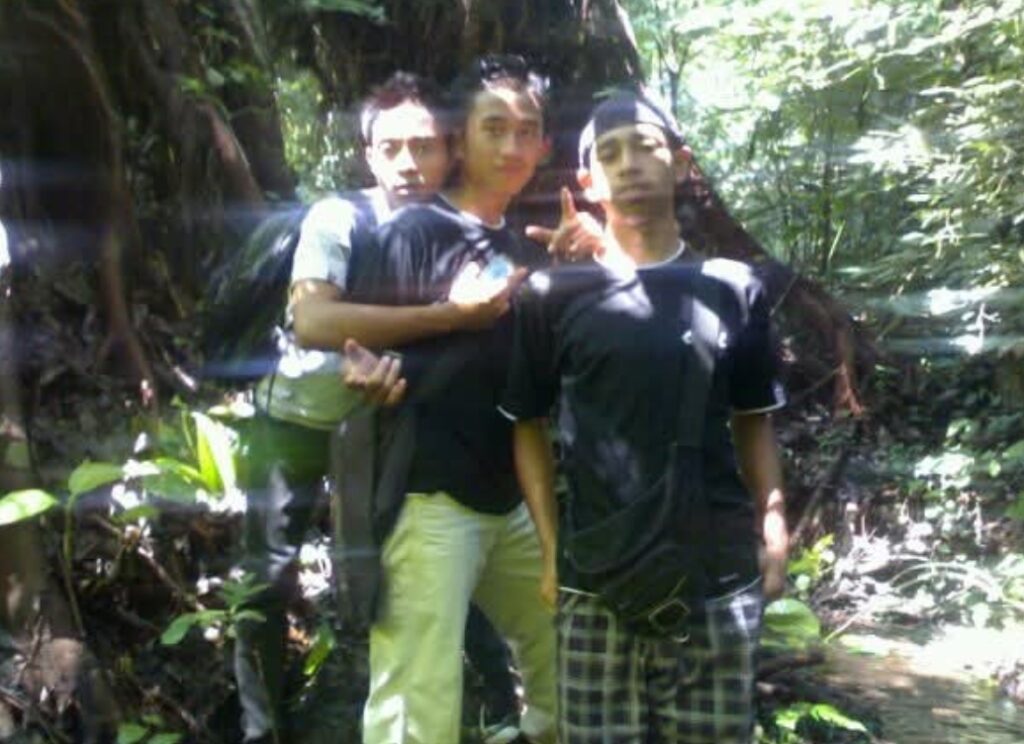
📷 These Old Photographs Tell Part of the Story
We recently found some of our old photographs from those early explorations.
The photographs are far from today’s professional travel photography.
They are old.
The cameras were different.
The quality is not comparable to modern photographs.
But that is exactly why we value them.
They show something that polished promotional photographs cannot:
We were actually there.
They capture a period when these places were still being explored simply for the love of nature and adventure.
These photographs are part of our history.
They are not meant to show how beautiful our photography was.
They are evidence of where our experience came from.
🌿 From Exploration to Guiding
Over time, things changed.
Trekking became more popular.
Travelers became increasingly interested in waterfalls, jungle adventures, mountains, and experiences away from the main tourist areas.
Technology made it easier to discover places.
Social media made previously unknown destinations visible to travelers around the world.
And the trails we had explored years earlier became part of the experiences we could share with visitors.
But something important remained unchanged:
Our knowledge was still based on first-hand experience.
The trails we guide are not simply routes we found online.
They are places we have walked.
The landscapes we describe are places we have experienced.
The communities we work with are communities we have connections with.
And the experiences we create have grown from years of being in these environments.
🏔️ Why This History Matters Today
You might ask:
Why does something that happened almost 20 years ago matter to a traveler today?
Because local knowledge takes time.
You cannot create nearly two decades of experience overnight.
You cannot replace years of walking through forests with a GPS track.
You cannot learn the character of a mountain from a photograph.
And you cannot build genuine relationships with local communities simply by adding “local” to a tour description.
Our history helps explain why North Bali remains one of our strongest areas of local expertise today.
We know the landscapes because we have spent years exploring them.
We know the routes because we have walked them.
And we continue learning because the landscape itself continues to change.
🧭 From Old Trails to New Experiences
Some of the routes we explored many years ago have evolved.
Some are now more accessible.
Some have become known among travelers.
Some remain quieter.
And some have inspired new combinations of experiences.
This is how local guiding develops.
It is not simply about finding one route and following it forever.
It is about continuing to explore.
Continuing to observe.
Continuing to learn.
And continuing to find better ways for travelers to experience Bali.
That is why our experiences today include jungle trekking, waterfall adventures, mountain hikes, camping, village experiences, volcano adventures, and multi-day journeys across Bali.
The products may have names.
But behind them are years of experience.
❤️ We Didn’t Discover Bali. We Discovered More of Our Own Backyard.
We would never claim to have “discovered” places that local communities have known for generations.
The forests, mountains, rivers, and waterfalls were already there.
Local people knew these landscapes long before tourism arrived.
What we can say is that we were among the local outdoor explorers who began exploring and connecting these routes for trekking experiences long before trekking became a popular tourism activity in North Bali.
That is an important distinction.
We did not discover Bali.
We discovered more of the Bali that was already around us.
And that curiosity eventually became part of who we are.
🌱 From Curiosity to Local Expertise
Today, when we take travelers into the forests of North Bali, we carry those early experiences with us.
We remember what it was like to walk those routes when very few visitors were interested in them.
We remember exploring without knowing exactly what we would find.
We remember the excitement of reaching a waterfall after following an unfamiliar trail.
And we remember why we started:
Curiosity. Nature. Adventure.
Those values remain at the heart of our guiding philosophy.
🌴 Why First-Hand Experience Still Matters
The tourism industry has changed enormously.
Travelers now have access to more information than ever.
Maps can show routes.
Apps can record trails.
Social media can reveal beautiful places.
But none of these can replace the experience of actually being there over many years.
A route is not just a line on a map.
A waterfall is not just a pin.
A forest is not just a green area on a satellite image.
A local guide brings the human experience behind the destination.
That is the value of first-hand local knowledge.
👣 Almost 20 Years Later, We Are Still Exploring
Those old photographs remind us that our journey did not begin when trekking became popular.
It began with curiosity.
With friends.
With a love of nature.
And with a simple question:
“What is hidden behind our forests?”
Nearly two decades later, we are still exploring Bali.
We still discover new routes.
We still revisit old ones.
We still learn from local communities.
And we still believe that some of the best experiences happen when you go beyond the obvious path.
The difference is that today, we have the opportunity to share those experiences with travelers from around the world.
❤️ From Our Trails to Your Journey
Some of the routes we explored nearly two decades ago have become part of the trekking experiences we offer today.
Cemara Waterfalls.
Banyumala Waterfalls.
Melanting.
Labuan Kebo.
And many other landscapes across North Bali.
Their stories did not begin with tourism.
They began with the land, the local communities, and generations of people who knew these places.
Our part of the story is simply that we were curious enough to explore them, document them, connect the trails, and eventually share some of those experiences with travelers.
That is what being a local guide means to us.
Not just knowing where to go.
But knowing why the journey matters.
Bali Local Tour Guide
Rooted in North Bali. Experienced Across Bali.
Exploring since before trekking became a trend.
First-Hand Knowledge. Real Experience. Since 2014.