Sekumpul Village Nature Guide to Its Rainforest Ecosystem
Sekumpul Waterfall is famous for its dramatic waterfalls and lush mountain scenery in North Bali, but the landscape around the falls is just as interesting as the waterfalls themselves. The trails pass through a humid tropical environment where dense vegetation, flowing water, moss-covered surfaces, and forest wildlife create a rich natural ecosystem.
For visitors who take time to look beyond the waterfall itself, a walk around Sekumpul can become a small nature experience. You may notice different types of vegetation along the trail, hear birds in the forest canopy, spot butterflies and insects near flowering plants, or see frogs and other small animals close to streams and wet areas.
This guide focuses specifically on the flora, wildlife, and ecology around Sekumpul Waterfall, rather than the trekking route itself.
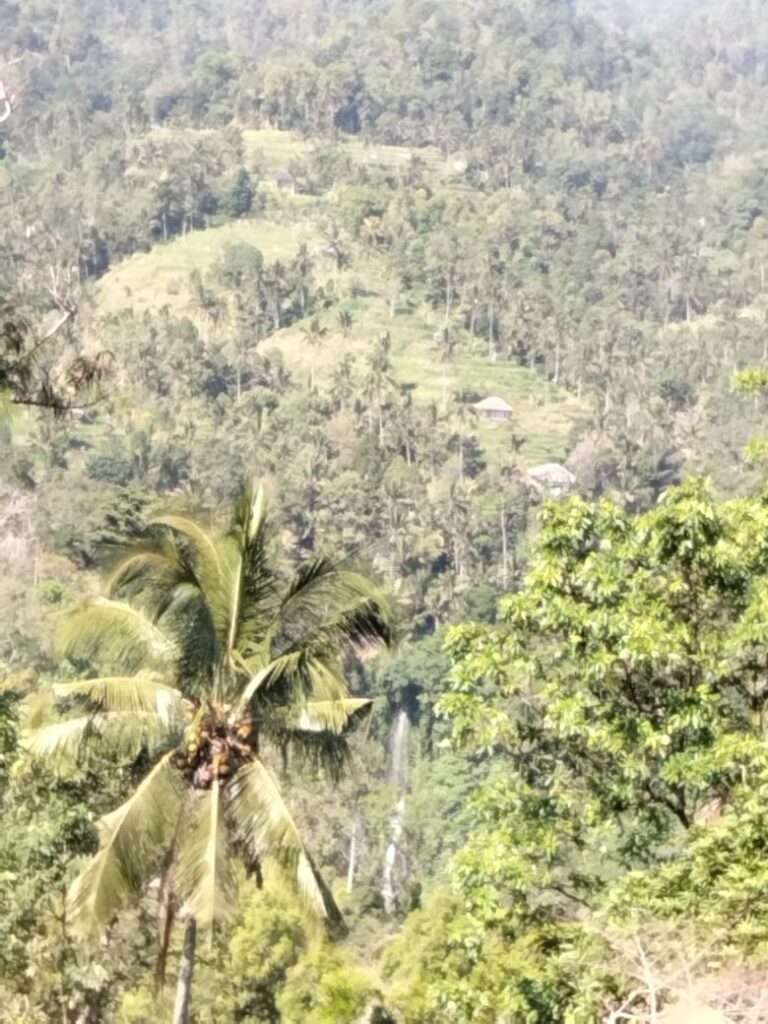
Flora Around Sekumpul Waterfall
The vegetation around Sekumpul changes as you move through villages, agricultural areas, forested sections, steep slopes, and waterways. The consistently humid environment allows many moisture-loving plants to grow naturally along the trail.
Plants You May See Along the Sekumpul Trail
Depending on the season and exact route, visitors can encounter a variety of tropical vegetation. Common sights include broad-leaved plants, vines, grasses, ferns, mosses, palms, flowering plants, and trees growing around the forest and river environment.
Some areas are also influenced by local agriculture, so the landscape is not entirely untouched rainforest. You may see cultivated plants and gardens alongside naturally growing vegetation.
Rather than treating every plant as a specific attraction, it is often more interesting to observe how different plants occupy different parts of the landscape.
Different Vegetation Zones
One of the interesting things about walking around Sekumpul is the gradual change in vegetation.
Village and Agricultural Areas
The beginning of the journey may pass through cultivated landscapes and village surroundings. Here, vegetation is more open, with gardens, fruit trees, crops, and ornamental plants mixed with naturally occurring greenery.
Forested Sections
As the trail becomes more enclosed, the vegetation becomes denser. Taller trees create shade while smaller plants compete for light underneath the canopy.
This is where you are more likely to notice ferns, vines, moss, and other plants that prefer shaded and humid conditions.
Wet Areas and Stream Edges
Vegetation becomes particularly lush around small streams, springs, and areas where water remains present for long periods.
Mosses, ferns, and other moisture-loving plants can thrive on damp soil, rocks, tree trunks, and shaded surfaces.
Around the Waterfall and River
Near the waterfalls and flowing water, humidity is often noticeably higher. Rocks and surfaces close to the water can remain damp, creating favorable conditions for mosses, ferns, algae, and other small plants.
The combination of water, shade, and dense vegetation is one reason the landscape around Sekumpul feels so green.
Ferns
Ferns are among the plants that visitors can easily notice in the humid environment around Sekumpul.
They often grow in shaded areas, along slopes, near streams, and on damp ground. Some species can also grow on tree trunks or other surfaces where moisture is available.
Their presence is a good visual indication of the area’s humid conditions. Look closely at the forest floor and shaded banks rather than only looking toward the taller trees.
Moss
Moss is another characteristic feature of the wetter parts of the Sekumpul landscape.
You may see moss covering rocks, tree trunks, walls, and damp surfaces, particularly in shaded areas close to flowing water.
Moss generally requires suitable moisture and protection from strong direct sunlight. This makes the waterfall and rainforest environment around Sekumpul particularly favorable for its growth.
Orchids and Other Forest Plants
Orchids and other tropical flowering plants may occur in the wider forest environment, although seeing a particular species is never guaranteed.
Some orchids grow on trees rather than directly in the soil, using the trees as a place to attach themselves while obtaining moisture and nutrients from their surroundings.
If you notice a wild orchid during your walk, it is best to admire it where it grows rather than touching or collecting it.
Trees and the Forest Canopy
The taller trees around Sekumpul play an important role in creating the forest environment below.
A forest canopy provides shade, reduces direct sunlight reaching the ground, and helps maintain a cooler and more humid environment underneath.
Look upward occasionally during your walk. The canopy is not only visually impressive; it is an important part of the ecosystem that supports smaller plants, insects, birds, and other wildlife.
Plants Around the River
Water is one of the defining features of the Sekumpul ecosystem.
Plants growing near rivers and streams must tolerate wetter conditions than vegetation found on higher and drier ground. Ferns, mosses, grasses, vines, and other moisture-loving plants can often be found along damp banks and rocky areas.
The vegetation also helps stabilize the soil around waterways and contributes organic material to the ecosystem.
Wildlife Around Sekumpul Waterfall
The forest around Sekumpul provides habitat for many forms of wildlife, from tiny insects to birds and larger animals.
However, Sekumpul should not be treated like a wildlife park. Animals are free to move through the forest, and sightings depend on weather, season, time of day, and simple luck.
Birds
Birds are among the easiest wildlife to experience because you can often hear them before you see them.
Listen for calls coming from the forest canopy and look between branches and leaves when you hear movement.
Early morning can be a particularly enjoyable time for bird observation because the forest is generally cooler and more active.
You do not need specialist equipment to appreciate the birdlife. Simply slowing down and listening can reveal a side of Sekumpul that many visitors miss.
Insects
Insects are an essential part of the rainforest ecosystem.
Butterflies, beetles, ants, dragonflies, and many other insects can be found around vegetation, flowers, streams, and damp areas.
Although individual insects may seem insignificant, they contribute to pollination, decomposition, and the food chain that supports larger animals.
Butterflies
Butterflies are particularly noticeable when the weather is warm and relatively dry.
You may see them around flowering plants, open sections of the trail, forest edges, or areas with access to sunlight.
Their activity can vary considerably depending on weather conditions, so seeing many butterflies on one visit does not mean you will see the same number on another day.
Frogs
Wet environments provide suitable habitat for frogs and other amphibians.
Look and listen around streams, damp vegetation, and shaded areas, particularly when conditions are wet.
Frogs can be difficult to spot because many species are small and well camouflaged. Their calls may be easier to detect than the animals themselves.
Reptiles
The forest environment can also support various reptiles, including small lizards and other species.
Most visitors will not encounter them, and many will move away before you get close.
If you see a reptile along the trail, observe it from a safe distance and allow it to move naturally.
Mammals
The surrounding forest and agricultural landscape provide habitat for various small mammals and other animals.
Occasionally, visitors may notice movement in the trees or hear animals moving through vegetation. However, wildlife sightings are unpredictable.
It is better to visit Sekumpul expecting a natural forest experience rather than expecting to see a particular animal.
Why Is Sekumpul So Green?
The intense greenery around Sekumpul is closely connected to its tropical mountain environment.
The combination of rainfall, humidity, flowing water, shaded forest, and fertile volcanic landscapes creates favorable conditions for vegetation.
Rainfall
North Bali receives substantial rainfall, particularly during the wetter months. Regular rainfall provides water for plants and replenishes streams and groundwater.
Humidity
High humidity reduces the rate at which moisture is lost from plants and soil. This is particularly important for mosses, ferns, and other plants that prefer damp environments.
Mountain Landscape
The surrounding hills and valleys influence water movement through the landscape. Rainwater can flow down slopes and collect in streams and rivers, helping maintain the area’s vegetation.
Forest Canopy
The canopy provides shade and creates a cooler microclimate underneath. This allows plants that are sensitive to intense sunlight to grow beneath taller vegetation.
Together, these factors create the lush environment that visitors associate with Sekumpul.
The Relationship Between the Waterfall, Rainforest, and River
Sekumpul’s waterfall, forest, and waterways are not separate features. They are connected parts of the same ecosystem.
Rain falls on the surrounding hills and moves through the landscape. Some of the water becomes part of streams and rivers, while some is absorbed into the soil.
The flowing water supports vegetation along riverbanks, while plants and trees help hold soil in place.
At the same time, fallen leaves and other organic material return nutrients to the soil as they decompose.
This continuous interaction between water, soil, plants, and wildlife helps maintain the rainforest environment around Sekumpul.
How Humidity Shapes the Flora
Humidity has a major influence on what grows around Sekumpul village.
In shaded and consistently damp locations, you are more likely to find mosses, ferns, algae, and other moisture-loving organisms.
Tree trunks and rocks can remain damp for long periods, allowing small plants to establish themselves on surfaces that might otherwise be too dry.
This is why two areas only a short distance apart can look surprisingly different. A sunny slope may have relatively open vegetation, while a shaded stream bank can be covered in moss and ferns.
Seasonal Changes Around Sekumpul
The landscape around Sekumpul changes throughout the year.
During the Rainy Season
Rainfall can make the forest noticeably greener and streams more active. Water levels around waterfalls and rivers may increase, while muddy and slippery conditions can become more common.
The wetter conditions are also favorable for mosses, ferns, fungi, and other moisture-dependent organisms.
During the Drier Season
Some areas may become less saturated, and certain small streams can have lower water levels.
Sunny conditions can also make butterflies and other insects easier to observe in open areas.
However, tropical vegetation remains relatively green because the region does not experience the prolonged dry conditions found in some other parts of the world.
Responsible Wildlife and Nature Viewing
Sekumpul is a natural environment, not a zoo. The best way to experience its wildlife is to observe without interfering.
Do Not Feed Wildlife
Feeding wild animals can change their natural behavior and make them dependent on human food.
Even if an animal appears friendly, it is better not to offer food.
Do Not Touch Wildlife
Avoid touching frogs, insects, reptiles, birds, or other wild animals.
Some animals may be stressed by human contact, while others may defend themselves if they feel threatened.
Do Not Collect Plants
Do not remove orchids, ferns, moss, flowers, seeds, rocks, or other natural materials from the forest.
A plant that looks common may still play an important role in the local ecosystem.
Stay on the Trail
Following designated paths helps reduce damage to vegetation and prevents visitors from disturbing sensitive areas.
It also makes the experience safer, particularly around steep slopes, rivers, and wet rocks.
Leave No Trace
Take your rubbish with you and avoid leaving plastic, food waste, or other materials in the forest.
The simplest rule is:
Leave Sekumpul as you found it, so the next visitor and the wildlife can enjoy the same natural environment.
Experience Sekumpul as a Living Ecosystem
Sekumpul Waterfall is more than a spectacular viewpoint or trekking destination. Its waterfalls, streams, rainforest, plants, and wildlife are all connected.
The next time you visit, take a moment to look beyond the main waterfall. Notice the moss on a wet rock, listen for birds in the canopy, look for butterflies near flowering plants, and observe how vegetation changes as you move from open areas into the forest.
For travelers interested in nature, these small details can make a visit to Sekumpul Waterfall by Joining our Private Trekking Package to Explore Sekumpul Village much more meaningful.
If you would like to explore the area with someone who knows the local environment, a local guide from the Bali Local Tour Guide Community can also help you understand the landscape, local culture, and natural surroundings while keeping the experience respectful and responsible.