North Bali Culture Guide – Discover the Living Traditions Behind the Villages
Below are some Local Culture of North Bali that you can explore , especially with Bali local Tour Guide’ Team,
North Bali is a region where authentic Balinese culture has been carefully preserved for generations. Far from the busy tourist areas of southern Bali, visitors can experience traditional village life, ancient temples, local ceremonies, and warm hospitality that reflect the true spirit of the island. Exploring the cultural heritage of this region is one of the most rewarding North Bali things to do for travelers seeking genuine experiences.
A well-planned North Bali tour itinerary offers much more than sightseeing. It allows you to meet local families, walk through traditional villages, learn about centuries-old customs, and witness daily activities that continue much as they have for generations.
Why Is North Bali Different?
North Bali offers a completely different side of the island — quieter, more authentic, and deeply connected to nature and local traditions. While many visitors come to Bali for its famous beaches and lively tourist areas, North Bali is a place to escape the crowds and experience the island at a slower, more peaceful pace.
One of the most fascinating things about North Bali is its incredible diversity of landscapes and climate. Within a relatively small area, you can experience both cool mountain temperatures and warm tropical coastal weather. The mountainous areas are fresh and cool, surrounded by lush forests, while the coastal regions offer the warmth and beauty of the sea. This unique combination makes North Bali feel almost like a collection of different destinations in one.
North Bali is also home to three beautiful lakes, each surrounded by dramatic mountain landscapes and rich agricultural areas. The region is especially famous for its fertile plantations, including coffee and clove plantations, which have been an important part of local life and agriculture for generations. Visitors can explore these plantations, learn about traditional farming practices, and experience the journey of local products from the land to the cup.
Another defining feature of North Bali is its abundance of waterfalls. With more than 30 waterfalls spread throughout the region, North Bali is a paradise for nature lovers and adventure seekers. From hidden jungle cascades to spectacular waterfalls surrounded by tropical greenery, each one offers a different experience and a chance to discover a quieter, more untouched side of Bali.
But what truly makes North Bali special is its culture. The region has a rich cultural identity, and many villages have their own unique traditions, customs, and even variations of local language. This cultural diversity reflects the long history of communities developing independently within the mountains and valleys of North Bali.
For those interested in experiencing traditional Balinese culture, Bali Aga villages offer a fascinating glimpse into some of Bali’s oldest traditions. These communities preserve distinctive customs, architecture, ceremonies, and ways of life that have been passed down through generations.
In many ways, North Bali feels like a miniature representation of the entire island. It brings together mountains, beaches, lakes, forests, plantations, waterfalls, agriculture, and diverse cultural traditions. It is a place where you can wake up in the cool mountains, explore a coffee or clove plantation, visit a traditional village, discover a hidden waterfall, and finish the day by the sea.
That is what makes North Bali so special: it is not just a destination, but a journey through many different faces of Bali — away from the crowds and closer to nature, culture, and authentic local life.
A Short History of North Bali
North Bali has a long and fascinating history shaped by ancient traditions, local kingdoms, international trade, and colonial influence. Its location along the northern coast made it an important gateway between Bali and the outside world.
Ancient Bali
↓
Long before modern tourism, Bali was shaped by ancient Hindu traditions, agricultural communities, and local belief systems. The mountains, forests, lakes, and fertile lands of North Bali became important places for settlement and spiritual life.
Bali Aga Communities
↓
Some of Bali’s oldest communities developed in and around the mountainous areas of North Bali. Known as the Bali Aga, these communities preserved distinctive traditions, architecture, ceremonies, and cultural practices that remain part of Bali’s heritage today.
Kingdoms of North Bali
↓
Over the centuries, North Bali became home to several powerful kingdoms, particularly around the Buleleng region. These kingdoms played an important role in shaping the political, cultural, and economic history of northern Bali.
Singaraja as a Trading Port
↓
Singaraja grew into an important trading port on Bali’s northern coast. Its strategic position connected Bali with other parts of the Indonesian archipelago and international traders. Spices, agricultural products, and other local goods were exchanged through the port, making Singaraja an important center of commerce.
Dutch Colonial Period
↓
In the 19th and early 20th centuries, the Dutch expanded their influence over Bali. Singaraja became the colonial administrative center of Bali and an important gateway for Dutch trade and administration. This period left a visible mark on the architecture, infrastructure, and multicultural character of the city.
Modern North Bali
↓
Today, North Bali is known for its natural beauty, cultural heritage, plantations, lakes, waterfalls, and traditional villages. While areas such as South Bali have developed rapidly through tourism, North Bali has retained a quieter atmosphere and many aspects of its traditional way of life.
From Ancient Traditions to Modern Bali
The history of North Bali is therefore not just a story of kingdoms and colonialism. It is a story of people, culture, trade, and nature evolving together — creating a region that feels distinctly different from other parts of the island.
Bali Aga Culture in North Bali
One of the most fascinating aspects of North Bali is its connection to Bali Aga culture — communities that preserve some of the island’s oldest traditions, social systems, architecture, and ways of life.
While Bali is often associated with its temples, ceremonies, and Hindu traditions, Bali Aga communities offer another perspective on the island’s cultural history. Their traditions developed through centuries of interaction between indigenous Balinese communities, the natural environment, and later cultural influences.
What Does Bali Aga Mean?
The term Bali Aga is commonly used to describe communities considered to represent some of Bali’s indigenous or pre-Majapahit cultural traditions. The word Aga is often associated with the mountains or highlands, reflecting the location of many of these communities.
Bali Aga culture is particularly interesting because many communities maintained their own customs and social structures while other parts of Bali experienced significant cultural changes, including influences associated with the Majapahit period.
Rather than being a single, uniform culture, Bali Aga communities have their own distinct traditions. Each village has its own history, ceremonies, rules, architecture, and relationship with the surrounding landscape.
The Ancient Villages of North Bali
Several traditional villages in the mountains of North Bali are closely associated with Bali Aga heritage. Among the most interesting are Pedawa, Tigawasa, Sidatapa, and Cempaga.
These villages are located in the mountainous interior of Buleleng, where the cooler climate, forests, plantations, and valleys have helped shape the communities’ way of life.
Visiting these villages provides an opportunity to see a side of Bali that is very different from the island’s better-known tourist destinations. Here, culture is not simply something displayed for visitors — it remains closely connected to everyday life, agriculture, community relationships, ceremonies, and the surrounding environment.
Pedawa is one of the traditional mountain villages associated with Bali Aga heritage. Surrounded by coffee plantations, clove trees, forests, and agricultural land, the village provides an excellent example of how traditional communities have adapted to the mountainous environment of North Bali.
Pedawa is also known for its traditional houses and local agricultural products. Walking through the village offers a glimpse into a slower rural lifestyle where architecture, farming, family life, and community traditions remain closely connected.
Tigawasa is another important traditional village in the mountains of North Bali. The village has a strong connection with agriculture and traditional crafts, particularly bamboo craftsmanship.
The surrounding landscape is dominated by plantations, forests, and steep mountain terrain. This natural environment has influenced both the economy and cultural practices of the community.
Tigawasa demonstrates how traditional knowledge can be passed from one generation to another, particularly through farming, craftsmanship, and community traditions.
Sidatapa is particularly interesting for its traditional architecture and village layout. Some of its traditional houses reflect an architectural style that differs from the more familiar Balinese houses found in tourist areas.
The village is also known for its distinctive cultural traditions and strong community structure. Its location in the mountains has helped preserve a sense of identity that is closely tied to the land and ancestral traditions.
For visitors, Sidatapa offers an opportunity to understand that Balinese architecture is not one single style — it can vary significantly from one region and community to another.
Cempaga is another village within the cultural landscape of Bali Aga communities in North Bali. Like the surrounding villages, its identity is closely connected to traditional customs, agriculture, community life, and ancestral heritage.
The village provides another example of the cultural diversity that exists within North Bali. Even communities located relatively close to one another can have different ceremonies, traditions, and interpretations of their cultural heritage.
What Makes Bali Aga Villages Different?
The most important difference is that Bali Aga villages have developed their own cultural identity over many generations.
Several characteristics make them particularly interesting:
- Distinctive traditions and ceremonies — Many villages maintain customs that differ from those practiced elsewhere in Bali.
- Traditional architecture — Houses, village layouts, and community spaces can follow local patterns that are different from the architecture commonly seen in southern Bali.
- Strong community structures — Social life is closely connected to the village community, customary rules, and collective responsibilities.
- Connection with nature — Mountains, forests, plantations, springs, and agricultural land are deeply connected to everyday life and cultural practices.
- Traditional knowledge — Farming, crafts, food production, architecture, and ceremonies are often based on knowledge passed down through generations.
- Local identity — Each village has its own character, meaning that Bali Aga culture should not be understood as one single tradition.
Perhaps the most important thing to understand is that Bali Aga culture is not simply about the past. It is a living culture.
The people of these villages continue to adapt to modern life while maintaining important elements of their ancestral identity. This balance between tradition and modernity is what makes the Bali Aga communities of North Bali so fascinating.
For travelers looking beyond the beaches and popular tourist attractions, these villages offer something much deeper: a chance to understand Bali through its people, its history, its mountains, and its living traditions.
Visiting Bali Aga Traditional Villages
The most memorable experiences is visiting the ancient Bali Aga villages in North Of Bali. ( pedawa village and Tigawasa Village ) , where indigenous Balinese communities continue to preserve traditions that have existed for hundreds of years. Here, visitors can explore traditional houses, observe daily village life, learn about the unique social customs of the Bali Aga people, and discover a way of life that remains deeply connected to nature and ancestral heritage.
Here, visitors can explore traditional houses, observe daily village life, and learn about the unique customs of the Bali Aga people. Guests can also watch local villagers demonstrate how traditional palm sugar is made using natural methods passed down through generations, as well as see skilled artisans creating beautiful handmade bamboo handicrafts using techniques that have remained unchanged for centuries. These authentic experiences offer a fascinating insight into North Bali’s rich cultural heritage and a way of life that remains deeply connected to nature and ancestral traditions.
Coffee and Clove Plantations
Many cultural journeys also include visits to local coffee and clove plantations nestled in the cool highlands of North Bali. Guests can learn how coffee and cloves are traditionally cultivated, harvested, and processed while enjoying breathtaking mountain scenery and tasting freshly brewed Balinese coffee prepared by local farmers.
Traditional Temple Ceremonies
Throughout the year, travelers may have the opportunity to witness colorful Balinese temple ceremonies, where local communities gather to pray, perform sacred rituals, and celebrate important religious festivals. With respect for local customs, visitors can observe these meaningful ceremonies and gain a deeper understanding of Balinese Hindu traditions.
Making Traditional Balinese Offerings
For those seeking a hands-on cultural experience, local families warmly welcome guests to learn how to make traditional Canang Sari offerings. Guided by village women, visitors discover the symbolism behind every flower, leaf, and handmade decoration while experiencing one of Bali’s most cherished daily traditions.
Traditional Balinese Farming
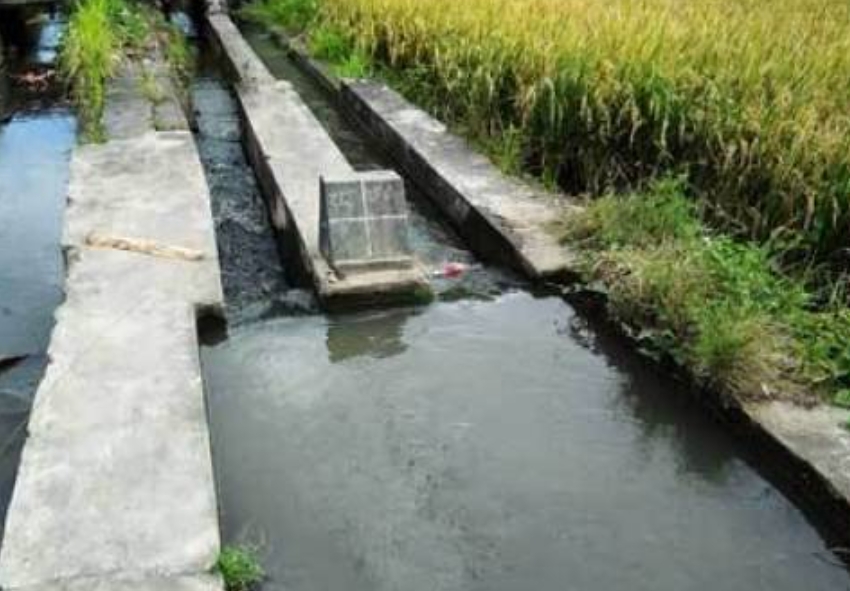
A cultural tour in North Bali also introduces visitors to traditional Balinese farming practices that have sustained local communities for generations. Walk through rice fields, vegetable gardens, and fruit plantations while learning about the traditional irrigation system and the close relationship between agriculture, religion, and Balinese philosophy. Mayong Village is the place where we can explore this culture
Traditional Balinese Music and Dance
In the peaceful Munduk Village, guests can enjoy authentic Balinese music and dance performances presented by local artists. These cultural performances showcase graceful movements, vibrant costumes, and the enchanting sounds of traditional gamelan, providing a wonderful opportunity to experience Bali’s artistic heritage in an authentic village setting.
Traditional Herbal Medicine
North Bali is also well known for its knowledge of traditional Balinese herbal medicine. Local healers and village elders continue to use natural ingredients such as roots, leaves, spices, and medicinal plants to prepare herbal remedies that have been passed down through generations. Visitors can learn about these ancient healing traditions and the important role they play in Balinese daily life.
Spiritual Purification Ceremony
For travelers seeking a deeper spiritual connection, North Bali offers opportunities to participate in traditional spiritual purification ceremonies at sacred springs and temples. These cleansing rituals symbolize the purification of the body, mind, and soul, allowing visitors to experience one of the most meaningful aspects of Balinese culture in a respectful and authentic way, we can do in Wanagiri Village , near Munduk.
Local Balinese Family Experience
Perhaps the most unforgettable part of exploring North Bali is spending time with a local Balinese family. Sharing meals, learning traditional cooking techniques, listening to family stories, and participating in everyday village activities create genuine connections that allow visitors to experience the warmth, hospitality, and values of Balinese life beyond the usual tourist attractions.
Understanding North Bali’s Temples
To understand North Bali, it is important to look beyond the beauty of its temples and understand the stories, beliefs, and landscapes connected to them.
Temples in Bali are not simply places of worship. They are closely connected to nature, agriculture, water, the sea, local communities, and the spiritual balance between humans and their environment. In North Bali, this relationship becomes particularly visible because the region brings together mountains, lakes, forests, farmland, and the northern coastline.
Pura Beji
Agriculture, Water, and the Subak System
Located in Sangsit, Pura Beji is closely associated with agriculture and the traditional Subak irrigation system.
The temple reflects the important relationship between water, farming, and spiritual life in Balinese society. For generations, water has been much more than a resource for farmers — it has been considered part of a sacred system that supports life and community.
The elaborate carvings of Pura Beji also make it visually distinctive. Its architecture reflects the artistic character of northern Bali, while its religious role demonstrates how deeply agriculture is connected to Balinese spirituality.
Key idea: Water → Agriculture → Community → Spirituality
Pura Meduwe Karang
Protection of Agriculture and the Power of the Land
Pura Meduwe Karang, located in Kubutambahan, is one of North Bali’s most remarkable temples.
The temple is associated with the protection of agricultural land and the fertility of the surrounding area. Its name and traditions reflect the importance of the relationship between people and the land they depend upon.
One of its most fascinating features is its unique stone carvings, including unusual decorative details that make the temple different from many others in Bali.
Pura Meduwe Karang therefore provides an excellent example of how Balinese temples can function as both spiritual spaces and cultural expressions of the agricultural landscape.
Key idea: Land → Protection → Fertility → Community
Pura Pulaki
The Sacred Landscape of the Coast
Situated along the dramatic northern coastline, Pura Pulaki represents the powerful connection between spirituality and the sea.
The temple sits between the mountains and the ocean, creating a striking spiritual landscape. Its location is significant: North Bali’s coastal communities have historically depended on the sea for travel, fishing, trade, and communication with other regions.
Pura Pulaki is also associated with local legends and sacred traditions, making it an important spiritual destination for Balinese Hindus.
Its setting illustrates an important characteristic of North Bali — the sacred landscape is shaped by both mountains and the ocean.
Key idea: Mountain → Coast → Sea → Spirituality
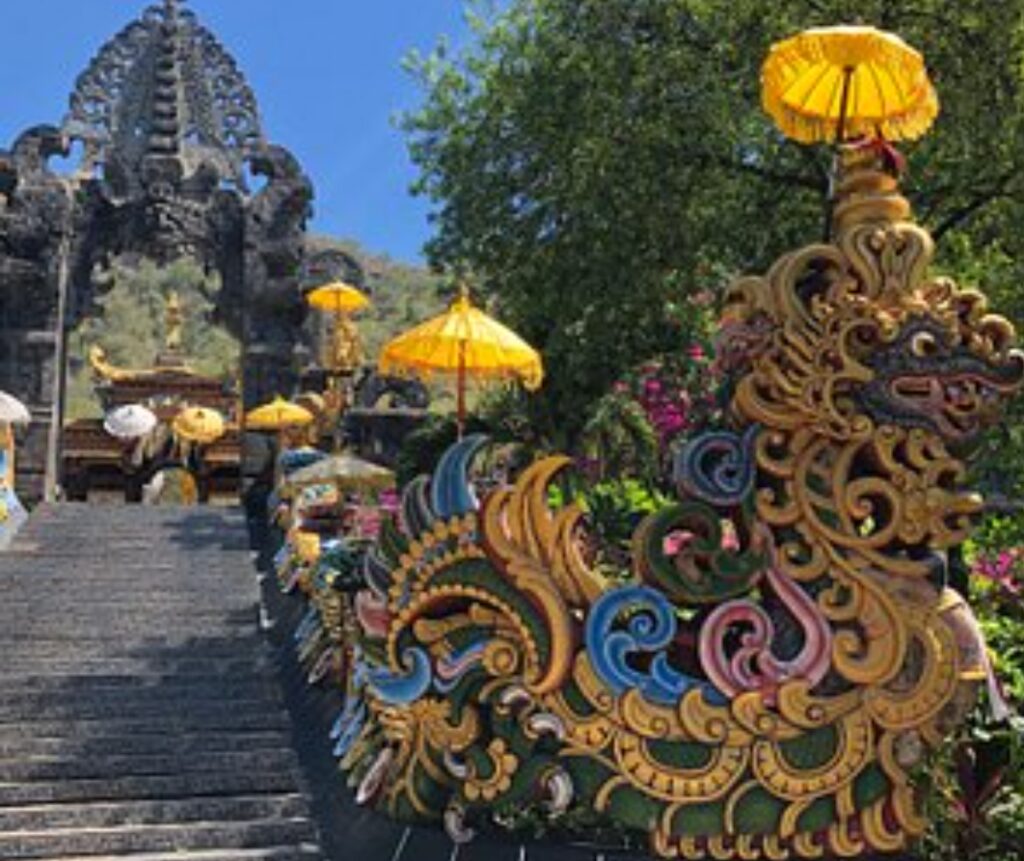
Pura Ponjok Batu
Coastal Mythology and Sacred Geography
Further along the northern coast is Pura Ponjok Batu, a temple whose identity is deeply connected to coastal mythology and sacred geography.
Built on a rocky coastal landscape, the temple creates a powerful connection between the natural environment and Balinese spiritual beliefs. Local stories and religious traditions have given the site a special significance for generations.
Pura Ponjok Batu is a good example of how Balinese spirituality does not separate nature from religion. Rocks, beaches, mountains, springs, and the sea can all become part of a sacred landscape.
Key idea: Nature → Mythology → Sacred Landscape
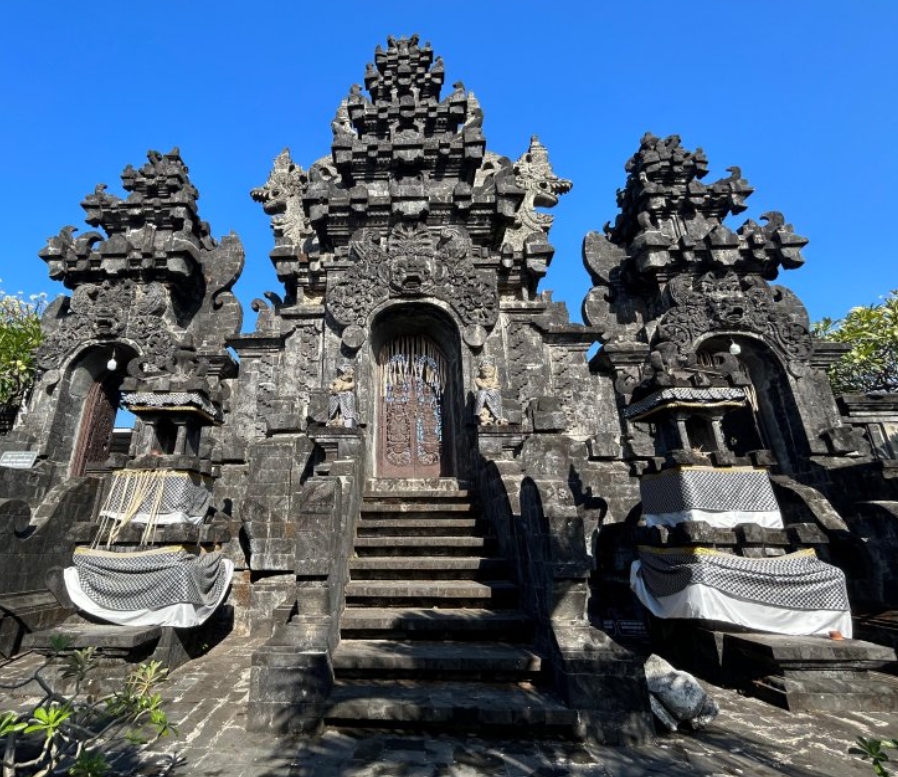
Brahma Vihara Arama
Buddhist Heritage in North Bali
North Bali’s religious landscape is not exclusively Hindu.
Located in the hills of Banjar, Brahma Vihara Arama is the largest Buddhist monastery in Bali and provides an important reminder of the island’s religious and cultural diversity.
The peaceful complex combines Buddhist architecture, meditation spaces, gardens, and panoramic views of the surrounding landscape. Its presence in North Bali demonstrates the long history of cultural and religious interaction across the Indonesian archipelago.
For travelers, Brahma Vihara Arama offers a different perspective on Bali — one that goes beyond the commonly understood image of the island as exclusively Hindu.
Key idea: Buddhism → Meditation → Cultural Diversity → Harmony
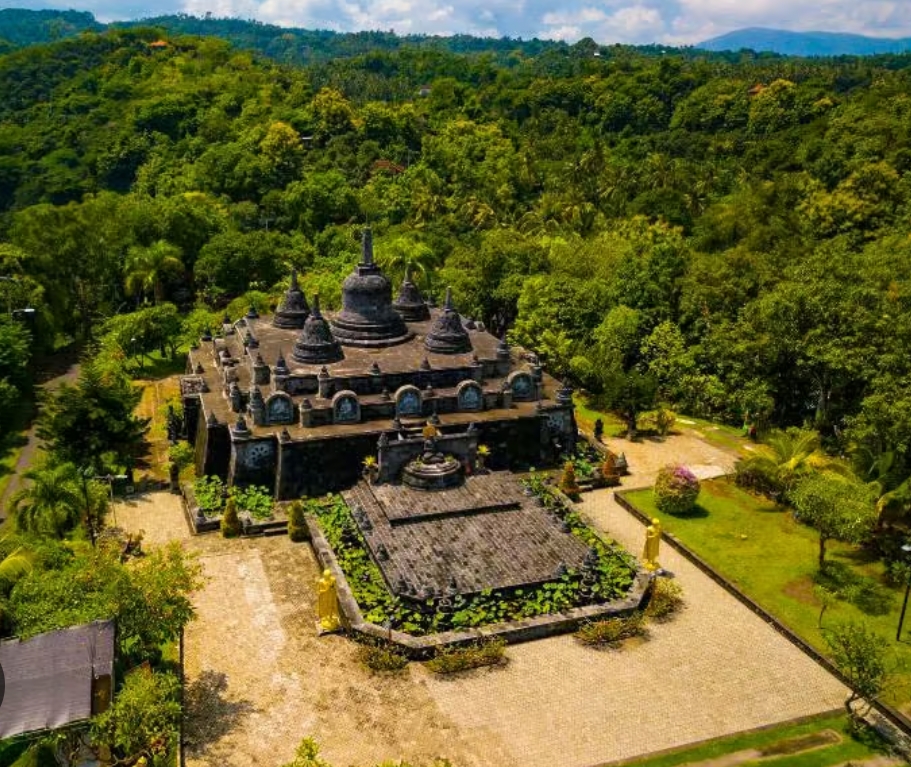
Ulun Danu Beratan
Water, Agriculture, and Spiritual Balance
On the shores of Lake Beratan, in the cool highlands of Bedugul, stands Ulun Danu Beratan, one of Bali’s most iconic temple complexes.
Its importance goes beyond its picturesque setting. The temple is strongly connected to water, irrigation, agriculture, and spiritual balance.
Lake Beratan and the surrounding highlands are an important agricultural region, and water from the mountain environment supports farming communities across the island. The temple represents the sacred relationship between water and prosperity.
This is one reason why Balinese temples should not be viewed as isolated buildings. They are part of a much larger system connecting mountains, lakes, rivers, irrigation networks, farms, villages, and spiritual beliefs.
Key idea: Mountain → Lake → Water → Agriculture → Spiritual Balance
The Bigger Picture
Together, these temples reveal something fundamental about North Bali: its spirituality is inseparable from its landscape.
From the agricultural temples of Sangsit and Kubutambahan, to the coastal temples of Pulaki and Ponjok Batu, to the Buddhist monastery in Banjar and the sacred lake of Beratan, each site tells a different story.
North Bali can therefore be understood as a spiritual landscape where nature and culture constantly interact:
Mountains provide water
↓
Water supports agriculture
↓
Agriculture sustains communities
↓
Communities create traditions
↓
Traditions shape sacred places
This connection between nature, community, agriculture, and spirituality is one of the keys to understanding why North Bali feels culturally different from the more developed tourist areas of the island.
North Bali Culture You Can Experience With a Local Guide
North Bali is not a destination you truly understand by simply visiting its attractions.
The real experience begins when you slow down, meet local people, listen to their stories, and take part in everyday activities. With a knowledgeable local guide, travelers can go beyond sightseeing and experience how culture, nature, agriculture, spirituality, and community are connected in daily life.
A local guide can also help visitors experience these traditions respectfully — understanding when to participate, when to observe, and how to interact with local communities and sacred spaces.
Walk Through a Traditional Village
Explore a traditional mountain village on foot and discover how people live, work, and interact within their community.
Walking with a local guide allows you to notice details that you might otherwise miss — traditional houses, community spaces, gardens, temples, plantations, and the stories behind them.
Enter a Balinese Family Compound — With Permission
A Balinese family compound is more than a home. It is a space where family, tradition, spirituality, and everyday life come together.
With the family’s permission, visitors can learn about the layout of a traditional compound, understand the purpose of different spaces, and experience the warmth of Balinese hospitality without treating someone’s home simply as a tourist attraction.
Learn How Balinese Offerings Are Made
Offerings, or canang sari, are an important part of daily Balinese Hindu life.
Rather than simply photographing them, visitors can learn about the meaning behind the flowers, leaves, colors, and arrangement, and understand why offerings are placed in homes, temples, and other spaces.
The experience becomes much more meaningful when you understand the story behind what you see.
Join a Local Cooking Experience
Food is one of the easiest ways to connect with a culture.
Learn how traditional Balinese dishes are prepared using local ingredients and family recipes. Depending on the village and season, the experience may include preparing spices, vegetables, coconut, or other ingredients sourced from the surrounding area.
More than a cooking class, it can become an opportunity to share stories and a meal with local people.
Visit Coffee and Clove Plantations
North Bali is famous for its coffee and clove-growing areas.
Walk through the plantations with a local farmer and learn how these crops are cultivated, harvested, processed, and used. You can also discover how coffee and cloves have influenced the economy and everyday life of mountain communities.
Learn Traditional Farming
Agriculture remains an important part of life in many North Balinese villages.
A local guide or farmer can explain traditional farming methods, irrigation practices, seasonal cycles, and the relationship between agriculture and community traditions.
This is also a great way to understand why water and farming have such an important place in Balinese culture.
Bamboo has been used in Bali for generations — from household objects and traditional structures to decorative crafts and ceremonial items.
In villages where bamboo craftsmanship remains part of everyday life, visitors can meet local artisans and see how a simple natural material is transformed into useful and beautiful objects.
Palm sugar production offers another glimpse into traditional rural life.
Visitors can learn how sap is collected from palm trees and transformed into sugar using traditional methods. It is a fascinating example of how local communities have developed ways of making a living from the natural resources around them.
Instead of following a standard tourist trail, explore the landscape through local paths connecting villages, farms, plantations, forests, and waterfalls.
A local guide can explain the plants, agricultural practices, sacred sites, and stories connected to the landscape along the way.
The journey becomes as important as the destination.
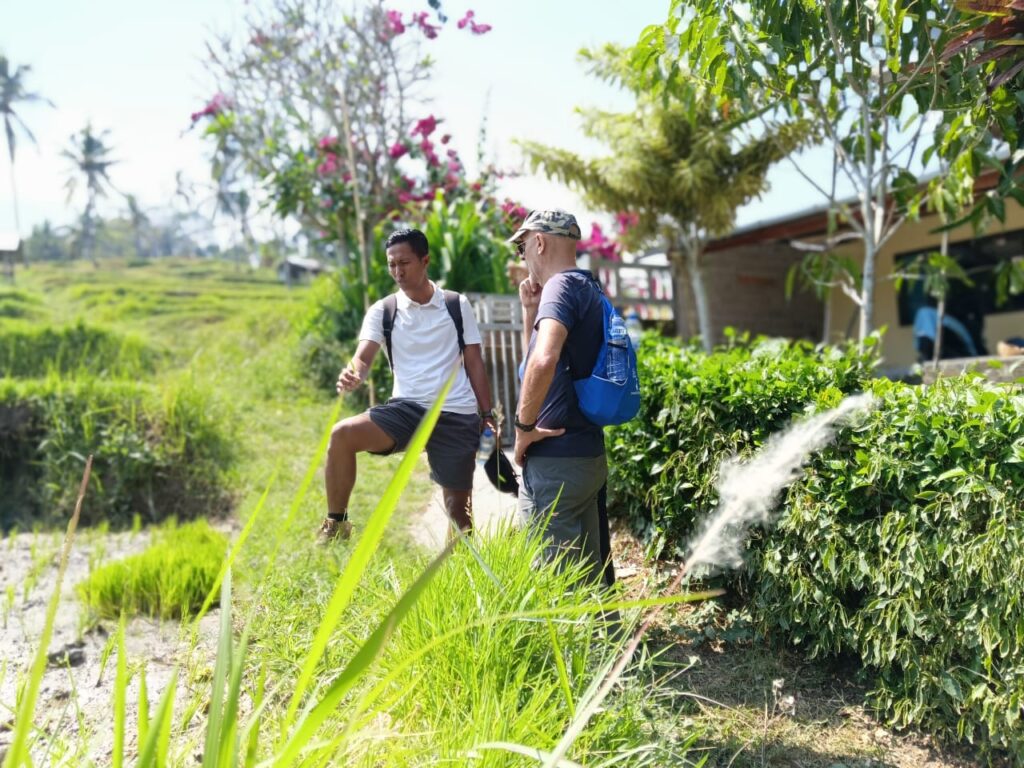
Listen to Local Stories
Every village has stories.
Some are connected to ancestors, temples, mountains, rivers, animals, farming, or important historical events. These stories are often passed down through generations and provide a deeper understanding of why certain places are considered special.
Sometimes, the most memorable part of a journey is simply sitting with a local person and listening.
Observe Temple Preparation
Temple ceremonies involve much more than the ceremony itself.
There may be days or even weeks of preparation — preparing offerings, decorating the temple, organizing communal activities, and making ceremonial items.
With appropriate permission and guidance, visitors can observe this process and gain a better understanding of the community effort behind Balinese religious life.
Along parts of North Bali’s coastline and lakes, traditional canoeing can offer a different perspective on the landscape.
Rather than simply looking at the sea or lake from the shore, travelers can experience the water itself while learning about the relationship between local communities and their surrounding environment.

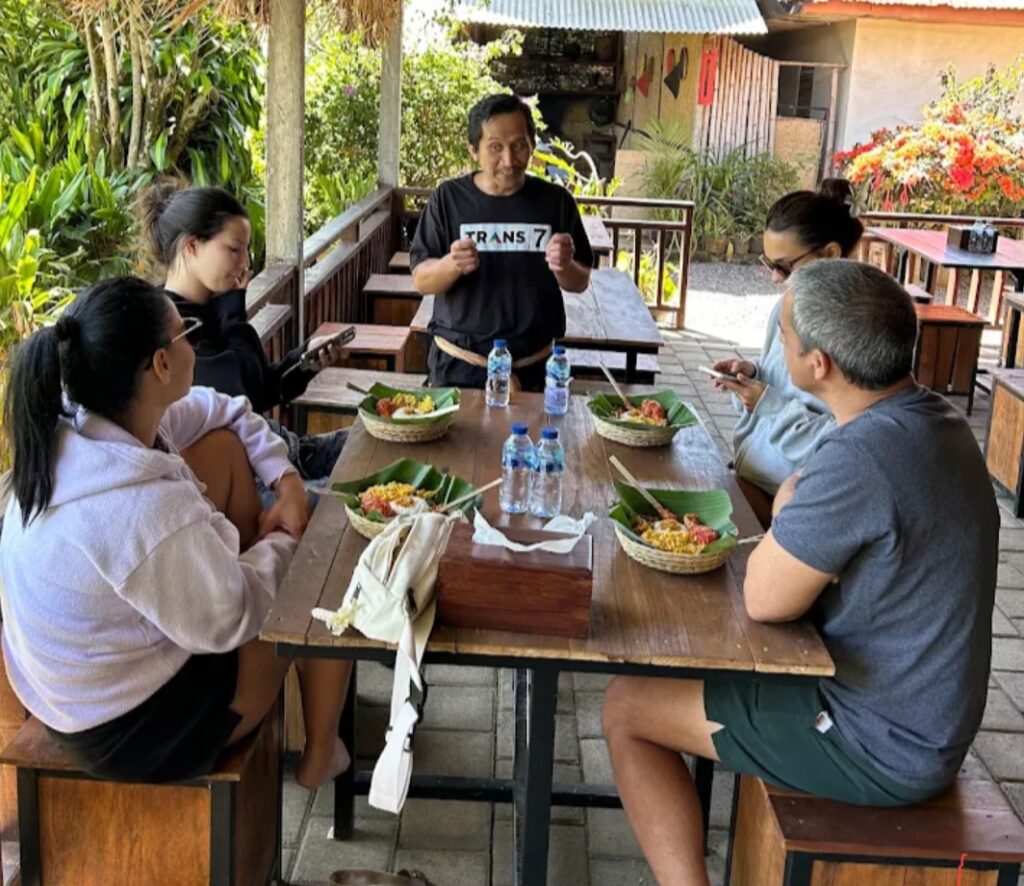
Share Lunch With a Local Family
Perhaps the simplest experience can also be the most meaningful.
Sitting down for lunch with a local family creates a chance to talk, exchange stories, taste home-cooked food, and experience Balinese hospitality in a natural setting.
It is not about watching another culture from the outside. It is about sharing a moment with people.
Experience, Don’t Just Observe
This is what makes cultural travel in North Bali different.
You are not simply checking villages, temples, plantations, and waterfalls off a list.
You are walking with local people, learning from farmers, sharing food, listening to stories, understanding traditions, and seeing how culture continues to live in everyday life.
With the right local guide, North Bali becomes more than a destination to visit.
It becomes a place to understand, experience, and connect with.
A Day in the Life of a North Balinese Family
To truly understand North Bali, sometimes the best way is simply to look at one ordinary day.
Life in many North Balinese communities follows a rhythm shaped by nature, agriculture, family, spirituality, and community. The exact routine varies from family to family and depends on the season, occupation, and village, but the day often begins early and continues with a strong connection to the land and community.
5:00–6:00 AM — The Day Begins
Before the sun becomes strong, the village is already beginning to move.
Farmers may head to their fields, plantations, or gardens, while other family members begin preparing breakfast and the day’s offerings. In agricultural communities, the early morning is often the best time to work outdoors because the air is cooler.
For a farming family, the day begins with the land.
Morning — Offerings, Breakfast, and Work
As the morning continues, daily spiritual practices become part of the household routine.
Family members may prepare and place canang sari, the small daily offerings commonly seen throughout Bali. These simple acts connect everyday life with Balinese Hindu beliefs and gratitude toward the spiritual world.
After preparing offerings and having breakfast, family members continue with their daily responsibilities — farming, taking care of livestock, working in plantations, preparing food, or running a small family business.
There is often no strict separation between work, family, and tradition. They naturally overlap.
Midday — Rice Fields, Plantations, and Family Life
By midday, daily work continues in the fields and plantations.
Depending on the location and season, a family might be involved in rice farming, coffee, cloves, fruit, vegetables, or other agricultural activities. North Bali’s mountainous landscape provides a wide variety of agricultural environments.
Children may be at school, while adults continue working or managing household responsibilities.
For visitors, this is an important reminder that the beautiful landscapes of North Bali are not simply scenery. They are working landscapes that support real communities.
Afternoon — Temple and Community Activities
As the temperature becomes more comfortable, the rhythm of the village may shift toward community and cultural activities.
There may be preparations at the local temple, meetings within the banjar (traditional community organization), preparation of ceremonial items, or activities related to an upcoming religious ceremony.
In Bali, community life plays an important role. Preparing for a ceremony is often a collective effort rather than something done by one family alone.
This is where the meaning of gotong royong, or mutual cooperation, can be seen in everyday life.
Evening — Family, Prayer, and Community
As the sun sets over the mountains or coastline, the pace of the day begins to slow down.
Family members return home, dinner is prepared, and time is spent together within the family compound. There may be evening prayers, conversations with relatives, or visits with neighbors.
In a traditional village, the evening can also be a time when community members gather, children play, and people catch up with one another after a day of work.
There is no need for a spectacular attraction.
The village itself becomes the experience.
A Simple Day, A Deeper Understanding
A day in the life of a North Balinese family may appear simple from the outside — wake up, work, prepare food, pray, spend time with family, and participate in community life.
But within that routine is a deeper relationship between people, nature, spirituality, and community.
The rice fields provide food.
The plantations provide livelihoods.
The temples provide spiritual connection.
The family compound provides a place to live and gather.
The village provides a sense of community.
And this is perhaps one of the best ways to understand North Bali:
Its culture is not something that exists only inside museums, temples, or ceremonies. It is lived every day — from sunrise to sunset.
Traditional Food & Culinary Culture of North Bali
Food is one of the most authentic ways to experience North Bali.
Beyond the restaurants and cafés found in tourist areas, North Bali has a rich culinary culture shaped by local agriculture, traditional spices, family recipes, and generations of knowledge passed from one generation to the next.
For many families, cooking is not simply about preparing food. It is part of everyday life, family traditions, hospitality, and community.
Local Village Food
Every village has its own food traditions and favorite dishes.
In North Bali, meals are often closely connected to what is available locally and what is in season. Fresh vegetables, coconut, herbs, spices, rice, and locally grown fruits can all become part of a family meal.
Eating in a village setting can offer a very different experience from dining in a tourist restaurant. The food may be simpler, but it often tells a much more personal story.
The Flavors of Balinese Spices
Balinese cuisine is famous for its rich combination of spices and aromatics.
Ingredients such as turmeric, ginger, galangal, lemongrass, shallots, garlic, chilies, coriander, and kaffir lime create the distinctive flavors of many traditional dishes.
One of the foundations of Balinese cooking is base genep, a complex spice mixture used in many traditional recipes. Preparing the spices by hand is itself part of the culinary experience.
A local cooking experience can show visitors not only what ingredients are used, but also how Balinese cooks balance their flavors.
Traditional Cooking
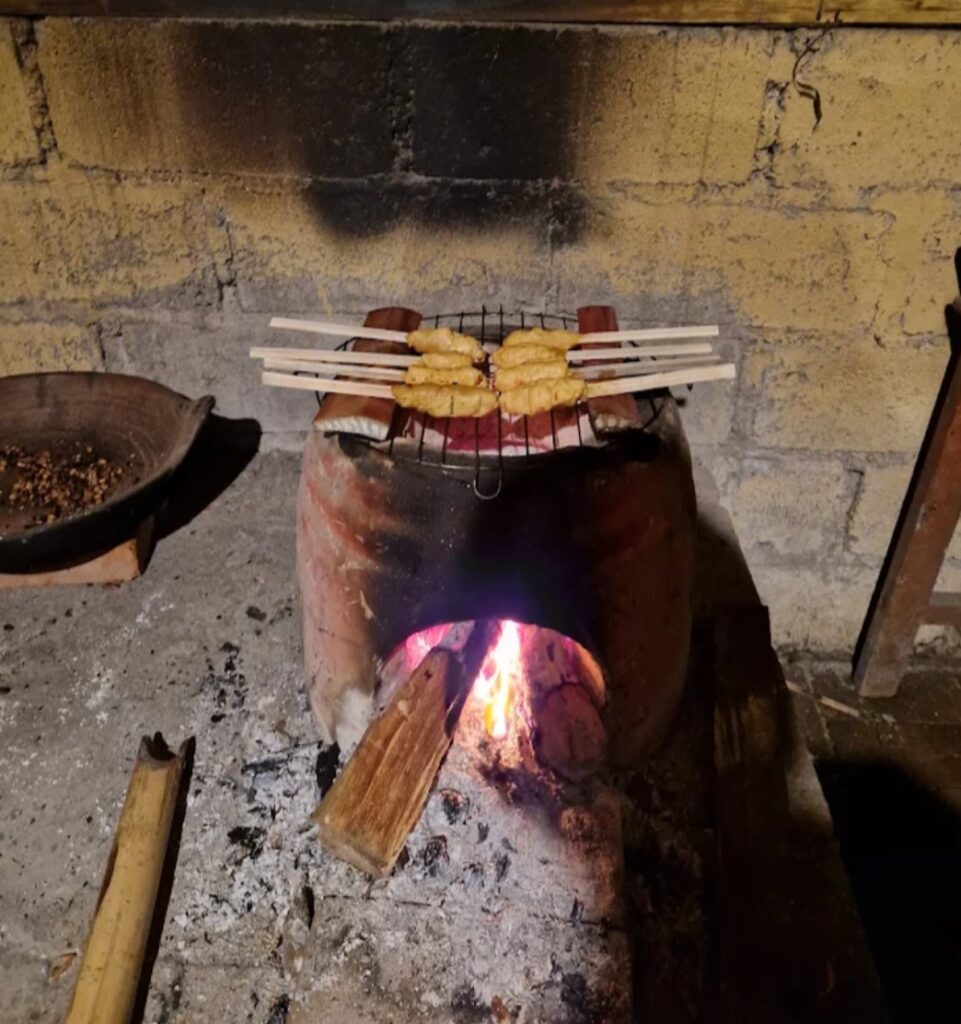
Traditional Balinese cooking is often a hands-on process.
Spices may be pounded or ground, coconut may be freshly prepared, vegetables are cleaned and cut by hand, and dishes are slowly cooked using techniques passed down within families.
The process can take time — but that is part of its charm.
Cooking becomes a social activity where family members work together, talk, share stories, and prepare food for everyone.
Coffee Culture
The mountains of North Bali provide ideal conditions for growing coffee.
Coffee plantations are found across several highland areas, and local farmers have developed their own methods of cultivating, harvesting, drying, and processing coffee.
For visitors, drinking a cup of locally grown coffee can become much more meaningful when it is connected to the story of the farmers and the landscape where the beans were grown.
From the plantation to the cup, coffee is part of North Bali’s agricultural identity.
Clove
Cloves are another important agricultural product associated with the mountains of North Bali.
The strong aroma of clove trees is part of the sensory experience of traveling through some rural areas. For generations, cloves have provided an important source of income for farming communities.
Visiting a clove plantation offers travelers a chance to understand how an ingredient that may seem familiar in a kitchen is actually grown, harvested, and processed by local farmers.
Palm Sugar
Palm sugar is another traditional product made from locally available resources.
The process begins with collecting sap from palm trees, which is then cooked until it becomes concentrated and eventually forms sugar.
The process requires skill and patience, and it represents a traditional form of food production that remains connected to rural life.
Tropical Fruits
North Bali’s varied climate and fertile landscapes allow many tropical fruits to grow throughout the region.
Depending on the season, visitors may encounter mango, rambutan, mangosteen, durian, papaya, banana, coconut, jackfruit, and many other locally grown fruits.
Seasonality is an important part of the experience. The fruit you discover during one visit may be completely different during another time of year.
Local Markets
For an authentic glimpse into everyday food culture, visit a local traditional market.
Markets are where farmers, traders, families, and food vendors come together. Early in the morning, you can find fresh vegetables, spices, fruits, flowers, coconut, prepared foods, and other local products.
A market visit with a local guide can be particularly rewarding because the guide can explain unfamiliar ingredients, local cooking habits, and the stories behind the food.
Family Cooking
Perhaps the most personal way to experience North Balinese food is to cook with a local family.
Instead of simply watching someone prepare a dish, visitors can participate — preparing ingredients, grinding spices, cooking together, and eventually sitting down to share the meal.
The experience is about much more than food.
It is about learning how people eat, cook, gather, and share in everyday life.
Authentic Balinese Cooking Experience
For travelers who want to experience North Bali beyond sightseeing, an Authentic Balinese Cooking Experience can bring all these elements together.
The experience can include visiting a local market, learning about Balinese spices, preparing traditional dishes with a local family, discovering locally grown ingredients, and sharing the finished meal together.
It is a chance to experience North Bali through its most universal language:
food, family, and hospitality.
Authentic Balinese Cooking Experience
Visit. Learn. Cook. Share. Taste North Bali like a local.
North Bali Cultural Etiquette
How to Respect Balinese Culture in North Bali
Traveling through North Bali is not only about discovering beautiful landscapes, temples, villages, and traditions. It is also about learning how to enter these spaces with respect and awareness.
For many Balinese people, religion and culture are deeply connected to everyday life. A temple is not simply a historical attraction, a ceremony is not a performance, and a family compound is not a tourist site.
A few simple gestures of respect can make a meaningful difference when visiting North Bali.
Temple Dress Code
When visiting a temple, visitors should dress modestly and appropriately.
The usual expectation is to cover the shoulders and knees. A sarong is commonly required, and many temples also require a sash to be worn around the waist.
If you do not have appropriate clothing, many temples provide or rent sarongs at the entrance.
The easiest approach is to dress respectfully from the beginning, especially when visiting several temples in one day.
Simple rule: if you are unsure, dress more conservatively.
Entering a Temple
Before entering a temple, follow the instructions of your local guide or the temple attendants.
Visitors should generally:
- Wear appropriate temple clothing.
- Remove shoes when required.
- Follow designated visitor areas.
- Keep your voice low and behave calmly.
- Respect people who are praying or making offerings.
- Follow signs and local instructions.
- Ask permission before entering restricted areas.
Not every part of a temple is open to visitors. Some areas are reserved for worshippers or specific religious activities.
Remember that you are entering a living place of worship, not simply visiting an attraction.
Photographing Local People
North Bali offers many beautiful opportunities for photography, especially in traditional villages and rural areas.
However, people should never be treated as part of the scenery.
If you want to photograph someone — particularly farmers, artisans, elderly people, children, or people participating in religious activities — ask permission first.
A simple smile and gesture asking whether it is okay to take a photograph is often enough.
If someone says no, respect their decision.
During ceremonies, be especially careful. Avoid standing directly in front of people who are praying, blocking processions, or using flash photography when it may disturb the ceremony.
Visiting a Family Compound
A traditional Balinese family compound is a private home and should be treated as such.
Never enter someone’s compound without an invitation or permission.
If you are invited inside:
- Wait for your host or guide to indicate where you may go.
- Follow local customs.
- Avoid touching personal or religious objects without permission.
- Ask before taking photographs.
- Respect private areas of the home.
If you are visiting as part of a cultural experience, remember that you are being welcomed into someone’s personal space.
Hospitality is a privilege, not an entitlement.
During a Balinese Ceremony
Ceremonies are an important part of Balinese life and can sometimes appear very colorful and fascinating to visitors.
But a ceremony is first and foremost a religious occasion, not a cultural performance.
When observing a ceremony:
- Stay quiet and respectful.
- Follow the instructions of your guide or local hosts.
- Do not walk in front of people who are praying.
- Do not sit higher than priests or people conducting religious activities.
- Avoid touching offerings or ceremonial objects.
- Ask before taking close-up photographs.
- Never interrupt a procession.
- Give worshippers enough space.
If everyone around you is sitting, it is generally better to sit rather than remain standing and moving around.
The best approach is to observe first and photograph second.
What Visitors Should Never Do
Some basic rules are especially important when visiting North Bali.
Never enter a temple or sacred area without permission.
Never touch religious offerings, statues, or ceremonial objects simply because you are curious.
Never photograph people during prayer without considering whether it is appropriate.
Never walk over offerings placed on the ground.
Never interrupt a religious procession to take a photograph.
Never enter a family compound without being invited.
Never make jokes or behave disrespectfully around sacred spaces.
Never assume that every traditional activity is designed for tourists.
And perhaps most importantly:
Never treat Balinese culture as a spectacle.
Travel With Respect
The best cultural experiences happen when visitors approach local communities with curiosity rather than expectation.
You do not need to know every Balinese custom before arriving. What matters most is being willing to listen, ask questions, follow local guidance, and understand that different villages may have different traditions.
A good local guide can help you understand these differences and avoid unintentionally disrespectful behavior.
When you travel respectfully, you are not only protecting local traditions — you are also creating a more meaningful connection with the people and places you visit.
In North Bali, the most important thing to bring is not only your camera. Bring respect, curiosity, and an open mind.
North Bali Culture Through the Eyes of Local Guides
Choosing an experienced Bali local tour guide allows visitors to explore these hidden cultural treasures with valuable local knowledge and personal stories that cannot be found in guidebooks. A knowledgeable local guide can explain traditional customs, religious ceremonies, historical sites, and everyday village life, making every visit more meaningful and authentic.
Whether you are interested in ancient traditions, local crafts, spiritual heritage, or authentic village experiences, North Bali offers a unique cultural journey unlike anywhere else on the island. Add these unforgettable experiences to your North Bali tour itinerary and discover why exploring the island’s rich cultural heritage remains one of the best North Bali things to do for travelers looking beyond the typical tourist attractions.