Fiji Waterfall: A Complete Guide to the Waterfall, Trek and Natural Experience
If you are looking for a quieter waterfall experience in North Bali, Fiji Waterfall in Lemukih Village is worth adding to your itinerary.
Surrounded by tropical forest, streams, plantations, and steep green valleys, Fiji Waterfall offers a more intimate experience than some of Bali’s better-known waterfalls. Reaching the waterfall involves walking through a natural landscape rather than simply driving to a viewpoint, which is part of what makes the experience special.
Fiji Waterfall is also located close to Sekumpul Waterfall, and the two destinations are often included in the same North Bali trekking experience. However, Fiji has its own character and is worth understanding as a destination in its own right. The official North Bali tourism information identifies Fiji Waterfall as a natural attraction in Lemukih Village, Sawan District, Buleleng.
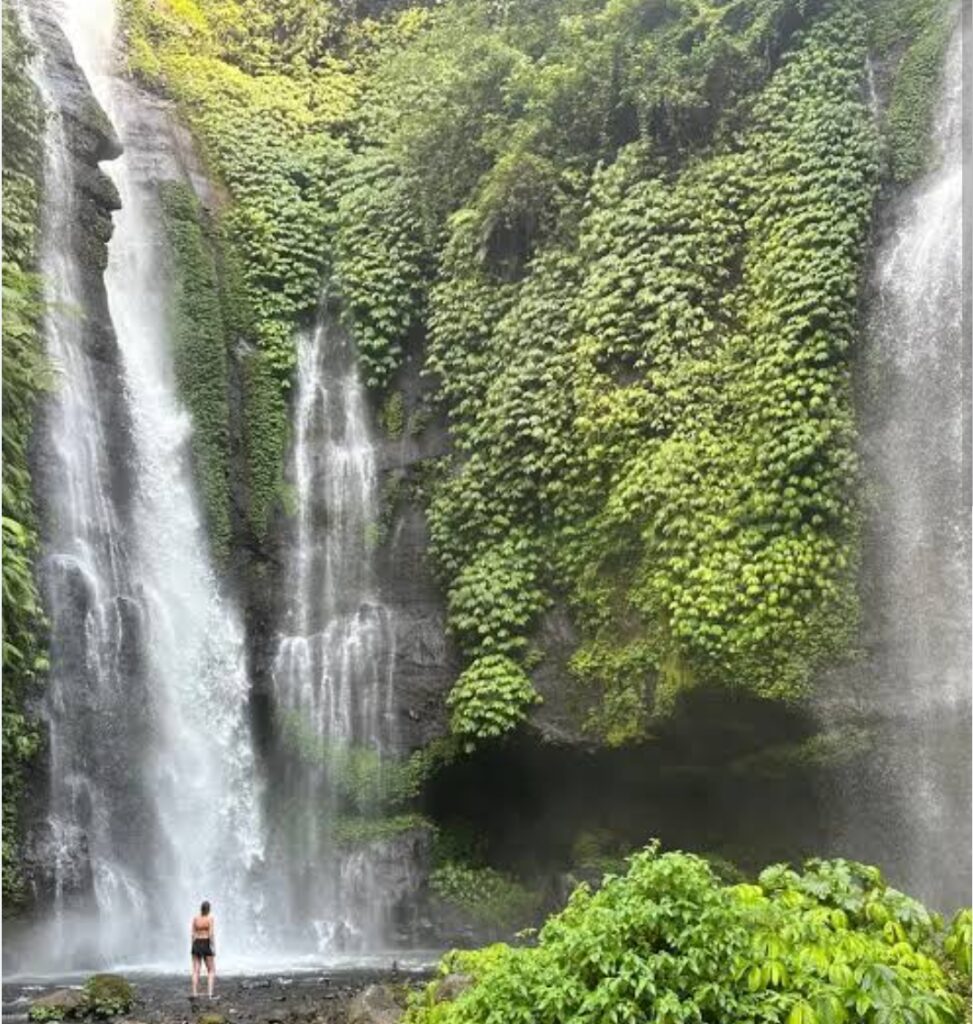
What Is Fiji Waterfall?
Fiji Waterfall is a natural waterfall located in Lemukih Village in North Bali. It lies within a lush tropical environment surrounded by forest, agricultural land, streams, and steep terrain.
Unlike waterfalls that can be reached almost directly from a parking area, visiting Fiji involves a walk through the surrounding landscape. The journey itself is part of the attraction, taking visitors through a greener and more natural environment before reaching the waterfall.
The official Visit North Bali tourism portal describes Fiji as being hidden within dense green forest and highlights the peaceful atmosphere and natural scenery along the route.
For travelers who enjoy nature rather than simply taking a photograph and leaving, this makes Fiji particularly appealing.
Where Is Fiji Waterfall in Bali?
Fiji Waterfall is located in Lemukih Village, Sawan District, Buleleng Regency, North Bali.
The waterfall is in the mountainous interior of North Bali, an area known for its green valleys, waterfalls, rice terraces, coffee and clove plantations, and traditional villages.
It is also close to Sekumpul Waterfall. The official North Bali tourism portal lists Sekumpul Waterfall as a nearby attraction, approximately 1 kilometer from Fiji Waterfall.
Because of this location, Fiji is often included in a longer North Bali waterfall itinerary rather than visited as an isolated stop.
What Makes Fiji Waterfall Special?
Fiji Waterfall is appealing for a simple reason: the experience is about more than the waterfall itself.
The surrounding landscape is part of the attraction.
As you approach the waterfall, you can experience:
- tropical vegetation
- forested paths
- agricultural landscapes
- streams and wet areas
- steep green valleys
- the sound of flowing water
- a cooler atmosphere away from Bali’s busy southern areas
The official tourism description emphasizes the tranquil atmosphere of Fiji Waterfall and its setting within dense green forest.
This makes Fiji a good choice for travelers who prefer a natural and relatively peaceful environment.
The Journey to Fiji Waterfall
One of the best things about Fiji Waterfall is that you do not simply arrive at the waterfall by car.
The journey involves walking through the surrounding landscape, with natural trails leading toward the waterfall.
Depending on the route and current local conditions, the walk can include uneven ground, stairs, slopes, wet sections, and forest paths. Conditions can change after rainfall, so appropriate footwear and careful walking are important.
The official North Bali tourism information also describes the route as a challenging trail through the natural landscape.
Instead of thinking of the walk as merely a way to reach the waterfall, consider it part of the experience.
What Can You See Along the Trail?
The landscape around Fiji Waterfall is one of the most interesting parts of the visit.
Rice Fields and Agricultural Land
Parts of the surrounding landscape are shaped by traditional agriculture.
Depending on the route and season, you may pass areas of cultivated land before entering more densely vegetated sections.
This creates a gradual transition from village and agricultural landscapes into a more enclosed forest environment.
Coffee and Clove Plantations
North Bali is well known for its agricultural landscapes, and the area around Lemukih includes plantations and tropical vegetation.
Coffee and clove trees are particularly interesting for visitors who want to understand how local communities use the mountainous landscape.
A local guide can often explain how these crops are grown and how agriculture is connected to everyday life in the village.
Tropical Forest
As the trail becomes more enclosed, the vegetation becomes denser.
Tall trees create shade, while ferns, vines, moss, and other plants grow closer to the ground.
The combination of shade, moisture, and flowing water helps create the lush environment associated with Fiji Waterfall.
Streams and Natural Waterways
Water is an important part of the landscape.
Small streams and waterways run through the surrounding terrain, and the sound of moving water can become more noticeable as you approach the waterfall.
This connection between forest, streams, and waterfalls is one of the reasons the North Bali highlands are so rich in natural scenery.
What Is Fiji Waterfall Like?
Fiji Waterfall has a more intimate atmosphere than the dramatic open panorama associated with Sekumpul.
Descriptions and visitor accounts vary regarding the exact number and configuration of Fiji’s cascades, so it is better to experience the waterfall as a natural series of flowing water rather than relying on a particular numerical description.
The waterfall is surrounded by greenery, rocks, and forest, creating a peaceful environment where visitors can spend time enjoying the sound and movement of the water.
One of the attractions of Fiji is precisely this sense of being surrounded by nature.
Fiji Waterfall vs. Sekumpul Waterfall
Because the two waterfalls are close to each other, many travelers naturally ask:
Should I visit Fiji or Sekumpul?
The answer depends on what kind of experience you want.
Sekumpul Waterfall
Sekumpul is the more famous destination and is known for its dramatic waterfall scenery and large jungle setting.
The official North Bali tourism portal describes Sekumpul as a waterfall attraction in Sekumpul Village and notes its impressive surrounding landscape and trekking experience.
Fiji Waterfall
Fiji feels more intimate and is often treated as a quieter addition to a North Bali waterfall experience.
Recent local travel coverage also describes Fiji as a quieter neighboring waterfall that can be reached from the same general trekking area as Sekumpul.
Which One Should You Choose?
Choose Sekumpul if:
- this is your first visit to the area
- you want Bali’s famous dramatic waterfall scenery
- you have limited time
- you want the classic North Bali waterfall experience
Choose Fiji if:
- you prefer a quieter natural setting
- you enjoy walking through forest landscapes
- you want to explore beyond the main waterfall
- you have enough time for a longer experience
And if your fitness and schedule allow it, combining Fiji and Sekumpul can be an excellent option.
Can You Visit Fiji and Sekumpul on the Same Day?
Yes, the two waterfalls are close enough that they can be combined into one North Bali experience.
The official tourism portal lists Fiji Waterfall and Sekumpul Waterfall as nearby attractions, and local trekking operators commonly combine them in longer trekking routes.
However, you should not assume that visiting both is simply a matter of adding another short photo stop.
The combined experience involves more walking and can take considerably longer than visiting one waterfall alone.
If you want to visit both, it is better to plan the day around the total trekking experience, rather than trying to fit the waterfalls into a tightly scheduled sightseeing itinerary.
How Difficult Is the Fiji Waterfall Trek?
The difficulty depends on your chosen route, weather conditions, fitness level, and how much of the surrounding area you explore.
You should expect:
- uneven natural paths
- stairs and slopes
- wet or muddy sections
- walking through forest
- possible stream crossings
- additional walking if combined with Sekumpul
After heavy rain, trails can become slippery and require extra care.
This is why Fiji is better suited to travelers who are comfortable with walking on natural terrain rather than those looking for a waterfall that can be reached immediately from a roadside viewpoint.
Who Is Fiji Waterfall Suitable For?
Fiji Waterfall can be a good choice for:
Nature Lovers
If you enjoy forests, rivers, waterfalls, plants, and natural landscapes, the journey itself can be as enjoyable as the destination.
Couples
The quieter surroundings can make Fiji a pleasant addition to a private North Bali day trip.
Photographers
The combination of water, forest, rocks, tropical vegetation, and changing natural light creates plenty of opportunities for photography.
Active Travelers
If you enjoy walking and exploring rather than spending the whole day in a car, Fiji fits naturally into an active North Bali itinerary.
Travelers Exploring North Bali
Fiji can be combined with Sekumpul and other nearby attractions to create a full day of nature experiences.
Is Fiji Waterfall Suitable for Families?
It depends on the family.
Families with older children who are comfortable walking on uneven and sometimes slippery terrain may enjoy the experience.
However, parents should consider the physical demands of the route before deciding.
For families with young children, older travelers, or anyone with limited mobility, a shorter or less demanding North Bali itinerary may be more appropriate.
A local guide can also help you understand current trail conditions before starting.
When Is the Best Time to Visit Fiji Waterfall?
There is no single perfect time for every traveler.
During the Wet Season
The surrounding vegetation can look especially lush, and water flow may be stronger.
However, rain can also make paths muddy and slippery.
During the Drier Season
Walking conditions can be more comfortable, although rainfall can still occur in Bali’s mountainous regions.
For the best overall experience, it is generally better to start earlier in the day, when temperatures are cooler and there is more time to complete the walk without rushing.
Most importantly, check local weather and trail conditions before setting out.
What Should You Bring?
For a visit to Fiji Waterfall, practical clothing is more important than dressing for a typical sightseeing attraction.
Consider bringing:
- comfortable trekking shoes or sandals with good grip
- lightweight clothing
- a change of clothes
- drinking water
- waterproof protection for your phone
- a small towel
- sunscreen
- insect repellent
- a small waterproof bag
If you plan to enter the water, bring a swimsuit and dry clothes for afterward.
Avoid carrying unnecessary heavy items because you will need to carry everything along the trail.
Swimming at Fiji Waterfall
Water conditions can change depending on rainfall, current flow, and local conditions.
If swimming is permitted and conditions are considered safe, always follow local guidance.
Do not enter fast-moving water simply because the pool looks calm from a distance. Waterfalls and rivers can become dangerous after heavy rain, and submerged rocks may not be visible.
Your local guide can advise you about the conditions on the day of your visit.
Why Visit Fiji Waterfall With a Local Guide?
A local guide can make a significant difference to a waterfall experience like Fiji.
The value is not simply having someone walk in front of you.
A local guide can help you:
- navigate the local trail
- understand current conditions
- walk more safely on slippery sections
- learn about local plants and agriculture
- understand the surrounding villages
- communicate with local people
- adjust the pace to your group
- combine Fiji with Sekumpul or other nearby attractions
The area around Lemukih is more than a collection of waterfalls. It is a living landscape where agriculture, forest, rivers, and village life are closely connected.
Having someone who knows the area can help you see details that you might otherwise walk past.
A More Personal North Bali Experience
One of the advantages of arranging Fiji Waterfall as a private tour is flexibility.
Instead of following a rigid schedule, you can decide how much time you want to spend walking, taking photographs, swimming, exploring the surrounding landscape, or combining Fiji with another attraction.
For example, a customized itinerary might include:
Option 1 – Fiji Waterfall Experience
Fiji Waterfall → Forest walk → Waterfall time → Local lunch
Option 2 – Fiji + Sekumpul
Fiji Waterfall → Sekumpul Waterfall → Local lunch → Return to accommodation
Option 3 – Full North Bali Nature Day
Fiji Waterfall → Sekumpul Waterfall → Local village experience → Another North Bali attraction
The exact order should depend on your starting point, weather, fitness level, and the amount of time available.
Responsible Tourism at Fiji Waterfall
Fiji Waterfall is part of a natural environment and a local community. Visitors can help protect it by treating the area with respect.
Do Not Leave Rubbish
Take all plastic bottles, food packaging, and other waste back with you.
Do Not Damage Plants
Avoid breaking branches, picking flowers, or removing plants from the forest.
Do Not Feed Wildlife
Wild animals should remain wild. Feeding them can change their natural behavior.
Stay on Appropriate Trails
Walking through vegetation can damage plants and contribute to soil erosion.
Respect Local Communities
The landscape around Fiji is connected to local villages and agricultural activities. Be respectful when passing through farms, homes, temples, and community areas.
Responsible tourism helps ensure that the waterfall remains enjoyable for both visitors and local residents.
Fiji Waterfall and the Natural Landscape of Lemukih
Perhaps the best way to understand Fiji Waterfall is to see it as part of a larger landscape rather than as an isolated attraction.
The waterfall is connected to the forest, streams, agricultural land, mountains, and villages around Lemukih.
Rainfall moves through the highland landscape, feeding streams and waterfalls. Forest vegetation helps retain moisture and protect the soil, while rivers carry water through the valleys.
Agriculture also plays an important role in the landscape, with plantations and cultivated areas existing alongside natural vegetation.
This combination of nature and village life gives the Lemukih area a character that is very different from Bali’s busy southern tourist centers.
Frequently Asked Questions About Fiji Waterfall
Is Fiji Waterfall in North Bali?
Yes. Fiji Waterfall is located in Lemukih Village, Sawan District, Buleleng Regency, in North Bali.
Is Fiji Waterfall near Sekumpul?
Yes. Fiji Waterfall and Sekumpul Waterfall are located close to each other and are commonly combined in North Bali trekking itineraries.
Is Fiji Waterfall worth visiting?
Yes, particularly if you enjoy natural surroundings, walking, waterfalls, and quieter destinations. Its forest setting and connection to the surrounding Lemukih landscape make it more than just a quick photo stop.
Can I visit Fiji and Sekumpul together?
Yes. Combining both can provide a more complete waterfall experience, although it requires more walking and time than visiting one destination alone.
Do I need a guide?
A local guide is strongly recommended for a trekking-based visit, particularly if you are unfamiliar with the area or want to combine several waterfalls. A guide can help with navigation, current trail conditions, river crossings, and local knowledge.
Is Fiji Waterfall suitable for everyone?
Not necessarily. The natural trail can involve uneven, wet, or steep sections. Travelers should consider their fitness and mobility before choosing the longer trekking option.
Explore Fiji Waterfall With a Local North Bali Guide
Fiji Waterfall is one of the places where the journey matters almost as much as the destination.
You walk through a changing landscape, from village and agricultural areas into greener forest, following streams and natural trails until the sound of falling water becomes stronger.
For travelers who want more than a quick photograph, Fiji offers an opportunity to experience North Bali’s waterfalls, forests, agriculture, and local village environment together.
If you would like to combine Fiji Waterfall with Sekumpul or create a private North Bali itinerary, a local guide can help you choose a route and pace that match your interests and available time.
The goal is not simply to visit another waterfall in Bali, but to experience the landscape around it in a more personal and meaningful way.
Hidden deep within the lush rainforest of Sekumpul Village in Buleleng Regency, Fiji Waterfall is one of the most spectacular hidden waterfalls on the island. Although often overshadowed by its famous neighbor, Sekumpul Waterfall, Fiji Waterfall offers an equally breathtaking experience with fewer crowds and an untouched natural atmosphere.
Named after its resemblance to the tropical waterfalls of Fiji, this magnificent attraction features three powerful waterfalls cascading side by side from towering cliffs surrounded by dense jungle and vibrant tropical vegetation. The sound of rushing water, fresh mountain air, and peaceful surroundings make Fiji Waterfall a true paradise for nature lovers and photographers.
Reaching Fiji Waterfall requires a scenic trek through rice fields, clove and coffee plantations, tropical forests, and small rivers. The journey itself is an unforgettable adventure, allowing visitors to experience the authentic beauty of North Bali while enjoying panoramic views of the surrounding mountains.
Many travelers combine Fiji Waterfall north Bali with Sekumpul Waterfall during the same trekking adventure, creating one of the most rewarding nature experiences in Bali. Exploring both waterfalls provides a perfect opportunity to discover the unspoiled landscapes that have made this region famous among adventure seekers.
Because of its dramatic scenery, pristine environment, and unique three-tiered cascade, Fiji Waterfall is widely regarded as one of the best waterfalls in North Bali. It is an excellent destination for swimming, photography, trekking, and connecting with nature far from the island’s crowded tourist attractions.
Visiting Fiji Waterfall with an experienced Bali local tour guide ensures a safe and enjoyable trekking experience while providing valuable insights into the surrounding rainforest, local culture, and village life. Whether you are planning a one-day adventure or a complete North Bali tour itinerary, Fiji Waterfall in Sekumpul village deserves a place on your travel list.
If you are searching for the best waterfalls to visit in North Bali, Fiji Waterfall should not be missed. Together with Sekumpul Waterfall, Aling-Aling Waterfall, Banyumala Twin Waterfall, Gitgit Waterfall, Melanting Waterfall, Banyu Wana Amertha Waterfall, and Pucak Manik Waterfall, it showcases the incredible natural beauty that makes North Bali one of the island’s top destinations for waterfall lovers and outdoor adventurers.
Please contact us if you would like to book Private Package for Sekumpul Village Walking Tours with Local Guide And Below are some important Links for your references from our Local’s Guide Sekumpul Waterfall Trekking Tour:
👉 Read: Why a Local Guide important? And why we need?
👉 Read: Flora and wildlife around Sekumpul Waterfall
👉 Read: Best Time to visit Sekumpul Waterfall
👉 Read: Why Sekumpul Waterfall Is Often Called Bali’s Most Beautiful Waterfall
👉 Read: Why Sekumpul Waterfall Is Considered Bali’s Most Beautiful Waterfall
👉 Read: Why Our Guests Consistently Say Sekumpul Is Their Favorite Waterfall in Bali
👉 Read: Chasing North Bali’s Most Spectacular Waterfalls: A Journey Into the Hidden Valley of Sekumpul
👉 Read: The Ultimate Guide to Sekumpul Waterfall

Explore North Bali with a Local Guide
Love nature and hidden places? Join one of our guided Day Trekking or Multi Days Trekking experiences and discover the authentic beauty of North Bali. Walk through lush tropical forests, scenic rice terraces, peaceful villages, and breathtaking waterfalls while learning about local culture from an experienced Bali Local Tour Guide
Our most popular Day Trekking experiences include:
Our most Recommend for adventure hunter include:
Contact us today to create a personalized trekking adventure that matches your interests and fitness level.