Bali is a relatively small island, but the experience can change dramatically from one region to another.
When many travelers think of Bali, they picture the beaches and restaurants of the south, the cultural attractions of Ubud, or the busy streets around the island’s main tourist areas. These are all important parts of Bali, but they represent only one side of the island.
North Bali offers a different kind of experience.
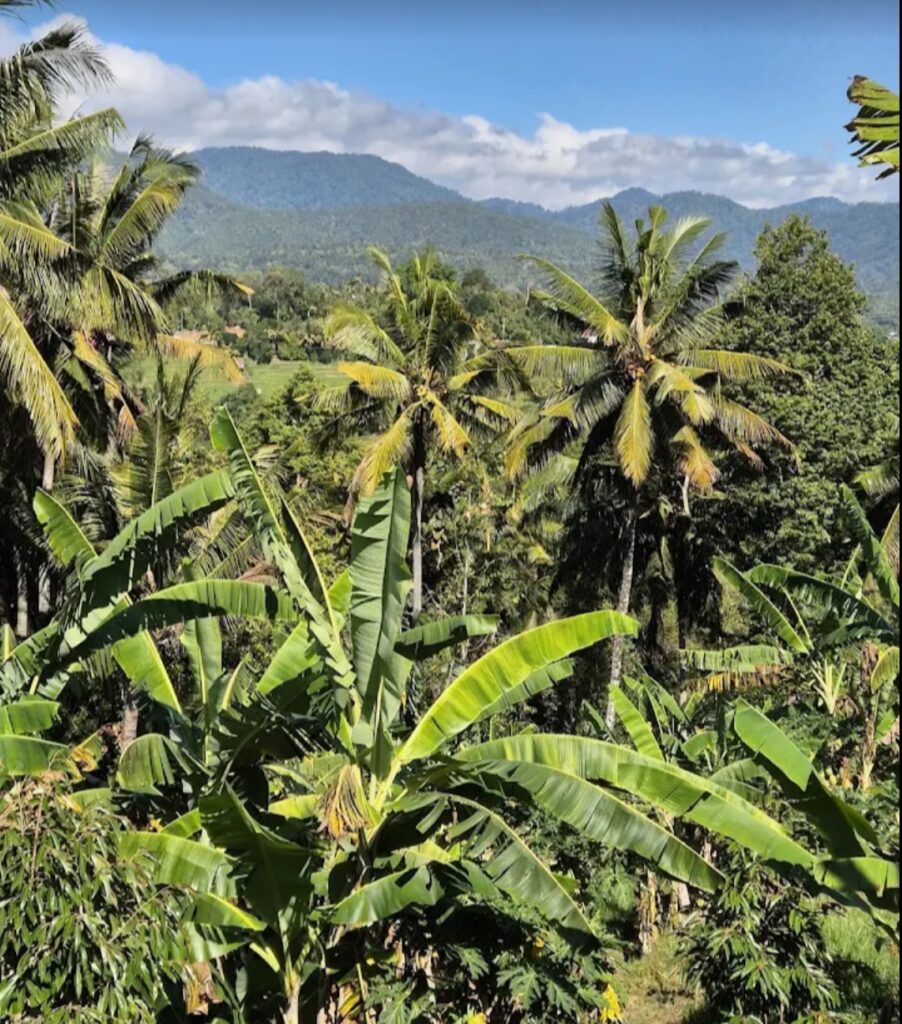
Here, the landscape becomes more mountainous and rural. Roads wind through traditional villages, rice fields, coffee and clove plantations, forests, lakes, and waterfalls. Tourism is present, but in many places it is not the dominant feature of everyday life.
For travelers interested in nature, trekking, local culture, and a slower pace, North Bali can provide a very different way to experience the island.
What Is North Bali?
North Bali generally refers to the northern part of the island, particularly Buleleng Regency and the surrounding mountain areas.
Important destinations in the region include:
- Lovina and the North Bali coast
- Munduk
- Gobleg
- Wanagiri
- Lake Tamblingan
- Lake Buyan
- Sekumpul
- Lemukih
- Sambangan
- Mayong
- the surrounding mountain and forest areas
The landscape changes considerably as you travel inland from the coast.
The northern coastline gives way to hills and agricultural areas, followed by cooler highland environments with forests, lakes, waterfalls, and volcanic mountain landscapes.
This variety is one of the reasons North Bali works particularly well for travelers who want to combine several types of experiences in one region.
North Bali vs. South Bali: What Is the Difference?
North Bali and South Bali should not really be viewed as competing destinations. They simply offer different travel experiences.
| North Bali |
South Bali |
| Mountains and highlands |
Coastal and beach environments |
| Waterfalls and rainforest |
Beaches and beach clubs |
| Traditional villages |
More developed tourist areas |
| Coffee and clove plantations |
Resorts, restaurants, and nightlife |
| Jungle trekking |
Beach and leisure activities |
| Lakes and mountain scenery |
Coastal landscapes |
| Slower pace in many areas |
Generally busier tourist atmosphere |
| Nature and rural experiences |
Wider range of entertainment and hospitality |
South Bali can be ideal if you want restaurants, shopping, nightlife, beaches, and a large choice of accommodation.
North Bali can be a better fit if you want to spend more time outdoors, explore rural landscapes, and experience the mountains and forests.
Neither is necessarily better.
They simply offer different sides of Bali.
Why Do Travelers Choose North Bali?
There are several reasons travelers decide to spend time in the north rather than staying entirely around Bali’s southern tourist centers.
For Waterfalls and Rainforest
North Bali is particularly well known for its waterfalls and forest landscapes.
Destinations such as Sekumpul Waterfall, Fiji Waterfall, Banyumala, and the waterfalls around Munduk and Sambangan provide opportunities to combine walking, nature, and swimming or waterfall experiences where conditions allow.
The journey to many of these places is also part of the experience.
Instead of simply driving to a viewpoint, you may walk through villages, plantations, forest, streams, and rice fields before reaching the waterfall.
That makes the destination feel connected to the surrounding landscape rather than isolated from it.
For Jungle and Mountain Trekking
The northern highlands provide many opportunities for travelers who enjoy walking.
Depending on your interests and fitness level, you can explore:
Some walks are relatively gentle, while others involve steep and uneven terrain.
This makes it possible to create a North Bali experience that matches different levels of fitness and interest.
Ancient Rainforests Instead of Crowded Beaches
North Bali is home to some of Bali’s oldest tropical rainforests.
The forests surrounding Lake Tamblingan and Lake Buyan are among the island’s most important natural ecosystems. Towering trees, giant ferns, wild orchids, and diverse wildlife create a paradise for nature lovers.
Popular adventures include:
Unlike busy tourist attractions, these rainforest trails offer peace, fresh mountain air, and an opportunity to reconnect with nature.
A Paradise for Adventure Lovers
Adventure seekers will find endless opportunities in North Bali.
Popular outdoor activities include:
These experiences allow visitors to enjoy Bali’s natural beauty while exploring places far from the crowds.
The Natural Landscape of North Bali
One of the biggest differences between North Bali and the more developed tourist areas is the relationship between the landscape and everyday life.
The region contains a combination of:
- volcanic mountains
- forests
- lakes
- rivers
- waterfalls
- rice fields
- coffee plantations
- clove plantations
- fruit gardens
- traditional villages
These environments are not separate attractions.
They are connected.
Rainfall from the mountains feeds streams and rivers. Forests help retain water and protect the soil. Agricultural communities use the fertile volcanic landscape for farming.
When you travel through North Bali, you can often see these different environments changing within a relatively short distance.
North Bali’s Rainforests and Mountain Forests
The forests around the North Bali highlands create a completely different atmosphere from the coastal areas.
Around places such as Tamblingan, Buyan, Munduk, and the surrounding mountains, you can encounter dense vegetation, tall trees, ferns, moss, vines, and other tropical plants.
The forest is also important habitat for birds, insects, butterflies, frogs, and other wildlife.
For nature lovers, this means a jungle trek does not have to be only about reaching a viewpoint.
The forest itself becomes part of the experience.
A local guide can also help identify plants, explain how the forest is connected to local agriculture, and point out details that are easy to miss when walking alone.
Traditional Villages and Local Life
Another important difference is the presence of traditional rural communities throughout the region.
Villages such as Pedawa, Sidetapa, Cempaga, Tigawasa, Gobleg, Mayong, Munduk, and Wanagiri have their own local histories, traditions, agricultural practices, and relationships with the surrounding landscape.
However, it is important not to treat these communities simply as tourist attractions.
They are living communities where people work, farm, worship, raise families, and maintain local traditions.
A respectful village experience should therefore focus on understanding local life rather than simply photographing it.
This is one area where having a local guide can be particularly valuable.
A guide who knows the community can explain appropriate behavior, introduce local stories, and help visitors understand what they are seeing.